
Three siblings inherit the family house. One wants to keep it; the other two want their share in cash. It is one of the most common ways an estate home changes hands, and it usually turns on a single question: what is the house worth, and as of when? Get that number right and the buyout is a negotiation over terms. Get it wrong, or leave it vague, and the family can end up in a partition action.
This briefing is for executors, administrators, trustees, and estate attorneys in Westchester County, Manhattan, and Greenwich / Fairfield County. It explains which value a sibling buyout actually needs, who should order the appraisal, how condition and improvements are handled, and where the appraiser’s job ends and counsel’s begins. Nothing here is legal or tax advice; how the buyout is structured is for your attorney and accountant to decide. Madison & Park is New York Court Approved for NY practice, SRA-designated, and Licensed in Connecticut, with extensive USPAP date-of-death and estate appraisal experience.
A sibling buyout usually needs two different answers: what the house was worth on the date of death, for the estate and basis, and what it is worth now, for the price one heir pays the others. They are different questions, and a good appraisal says clearly which one it answers.
Two Dates, Two Jobs: Date-of-Death Value vs. Current Market Value
A date-of-death appraisal is a retrospective opinion of market value as of the day the owner died. Executors and their CPAs use it for the estate’s inventory and, often, for the heirs’ stepped-up cost basis. A buyout appraisal answers a different question: what the house would sell for today, so one heir can pay the others a fair share.
The two numbers can differ for ordinary reasons. Months or years pass between death and the buyout. The market moves. The house sits empty, a roof leaks, or an heir cleans it out and makes repairs. If the estate already has a date-of-death report, counsel may decide it is close enough; if not, many attorneys order both values in one engagement. We explain the distinction in more depth in Date of Death vs. Current Market Value.
| Question | Date-of-death value | Current market value |
|---|---|---|
| Typical use | Estate inventory, basis, estate tax filings | Setting the buyout price between heirs |
| Effective date | The date of death (retrospective) | A current date, usually the inspection date |
| Condition considered | As it was on the date of death | As it is now, including any changes since |
| Who decides it applies | Executor, estate counsel, CPA | Executor, estate counsel, and the heirs |
General overview only, not legal or tax advice. Which date controls a particular buyout is for counsel to decide.
Who Orders the Appraisal, and Who Relies on It
In most estates the executor or administrator, or the estate attorney on the estate’s behalf, is the client. The heirs, counsel, and any accountant can be named as intended users so everyone is working from the same report. Naming them up front matters under USPAP: the report is written for its stated client, intended users, and intended use, and a report prepared for one purpose should not be quietly reused for another.
When the buying sibling is also the executor, many attorneys prefer that counsel, rather than the buyer personally, engage the appraiser. That keeps the process at arm’s length and makes the number easier for the other heirs to accept. See our attorney resources for engagement terms.
One Neutral Appraiser or One for Each Side?
A single appraiser engaged by the estate, with every heir free to share information and point out comparable sales, is usually the fastest and least expensive path, and it tends to keep the temperature down. Separate appraisals are sometimes chosen when trust between the siblings has broken down. That can work, but it often produces two numbers that then have to be reconciled. The same tradeoffs come up in divorce, and our one neutral appraiser or two briefing walks through them. Either way, the appraiser is independent: the fee does not depend on the value, and no heir gets a say in the conclusion.
As-Is Condition, Deferred Maintenance, and “My” Improvements
Inherited houses are often dated. Original kitchens, older systems, and years of deferred maintenance are common, and buyers in Westchester, Manhattan, and Fairfield County price those conditions in. A credible buyout appraisal values the property as-is, using comparable sales of similar condition or making supported adjustments. We cover this in detail in Appraising an Estate Home That Needs Work.
Disputes often start when one sibling lived in the house or paid for work. The appraisal values the house as it stands, new roof and all. It does not give one heir “credit” for a renovation or knock value off for a sibling’s neglect. Whether someone should be reimbursed is a legal and accounting question. If counsel wants to see the effect, we can report a second value under a clearly labeled hypothetical condition (for example, the house as if the renovation had not been done).
Extraordinary Assumptions and Hypothetical Conditions
Estate assignments often involve facts the appraiser cannot fully verify, such as the condition of a house on a date of death years ago or whether an old addition was permitted. USPAP allows an extraordinary assumption (something assumed true that, if false, could change the value) and a hypothetical condition (something known to be untrue but assumed for analysis). Both must be disclosed, and both should be agreed with counsel before the work begins so no heir is surprised by them later.
How the Number Feeds the Buyout
The appraiser’s job is to deliver a supported opinion of market value. What happens next belongs to the heirs and their lawyers: dividing equity, paying off a mortgage or reverse mortgage, whether to discount for real estate commissions that won’t be paid, who bears transfer taxes and closing costs, and how carrying costs during administration are shared. Those are negotiated terms, not appraisal adjustments. Keeping them separate is what makes the value itself hard to argue with. If basis is part of the conversation, see stepped-up basis on inherited property and talk with your CPA.
Avoiding a Partition Action
When heirs cannot agree, a co-owner can ask a court to partition the property, which can mean a court-ordered sale. In New York, heirs property cases also carry special valuation and buyout procedures. A credible, neutral appraisal early in the estate often gives the family a number to settle on before litigation becomes the next step. For how valuation works once a case is filed, see Partition Action Appraisals for Heirs Property in New York. Whether partition is a risk in your estate is a question for counsel.
Westchester, Manhattan & Greenwich Considerations
- Manhattan co-ops and condos. A co-op transfer to one heir may need board approval, and the building may have a flip tax or transfer fee. Whether either applies to a transfer between heirs is for counsel and the building’s documents. The appraisal values the apartment using co-op or condo comparable sales and reports the maintenance or common charges, as in our Manhattan co-op estate appraisals.
- Westchester County. Values often turn on village-level comparable sales, lot size, and the degree of updating, so an older, original-condition house needs condition-matched comps from the same market area.
- Greenwich and Fairfield County, CT. Larger lots, waterfront and acreage properties, and limited comparable sales call for careful selection and explanation. We prepare these as a Licensed in Connecticut, SRA-designated appraiser under USPAP.
Across all three markets, the report should explain how market conditions were measured, using price trends, inventory, days on market, sale-to-list ratios, and sales volume.
What to Send the Appraiser
- The date of death and letters testamentary or of administration, if issued
- The effective date or dates counsel wants (date of death, current, or both)
- The names of the client and intended users
- Any prior appraisal, deed, survey, and permits or certificates of occupancy
- A list of work done since the date of death, and by whom
- For co-ops and condos: the proprietary lease or offering plan, current maintenance or common charges, and any assessments
- Access arrangements, and the name of one contact person for scheduling
Frequently Asked Questions
Can we use the date-of-death appraisal to set the buyout price?
Sometimes, if the date of death was recent and the market and the house have not changed much, and if counsel and the heirs agree that date is the right one. More often the date-of-death value is used for the estate and basis, and a separate current-value appraisal sets the buyout price. Which date controls is a decision for the estate attorney and the heirs, not the appraiser.
Should the estate hire one neutral appraiser, or should each sibling hire their own?
A single appraiser jointly engaged by the executor or estate counsel, with every heir able to supply information, is usually faster and less expensive. Separate appraisals can make sense when trust between the heirs is low, but they often produce two numbers that then have to be reconciled. Counsel should decide which approach fits the family and the estate.
The sibling who lived in the house paid for a new kitchen. Does the appraisal give them credit?
No. An appraisal values the property as it exists, including the kitchen. Whether one heir should be credited for money they put in is a legal and accounting question. If counsel wants it, the appraiser can add a second value under a clearly labeled hypothetical condition, such as the house without the renovation, so the attorneys have both figures.
Does the appraisal deduct the mortgage, selling costs, or the flip tax?
No. The appraiser reports market value of the property. Mortgage payoffs, real estate commissions that would be avoided, transfer taxes, co-op flip taxes, and how equity is divided are buyout terms for the heirs and their attorneys.
Is Madison & Park able to appraise inherited homes in Connecticut?
Yes. Dave Lister, SRA, is Licensed in Connecticut and prepares USPAP-compliant estate, date-of-death, and current-value appraisals in Greenwich and Fairfield County, as well as in Westchester County and Manhattan.
How Madison & Park Helps
We prepare estate and date-of-death appraisals and current-value buyout appraisals for executors, administrators, and estate attorneys across Westchester County, Manhattan, and Greenwich and Fairfield County. We confirm effective dates, client, and intended users with counsel before we start, inspect the property as it stands, and write a USPAP report that every heir can follow, with both values in one engagement when the estate needs them.
Final Thoughts
A sibling buyout goes most smoothly when everyone is working from the same, clearly defined number. Decide with counsel which date matters, have the estate engage one independent appraiser, value the house as it is, and leave equity splits and credits to the lawyers. That keeps the family conversation about terms instead of about whose number is right.
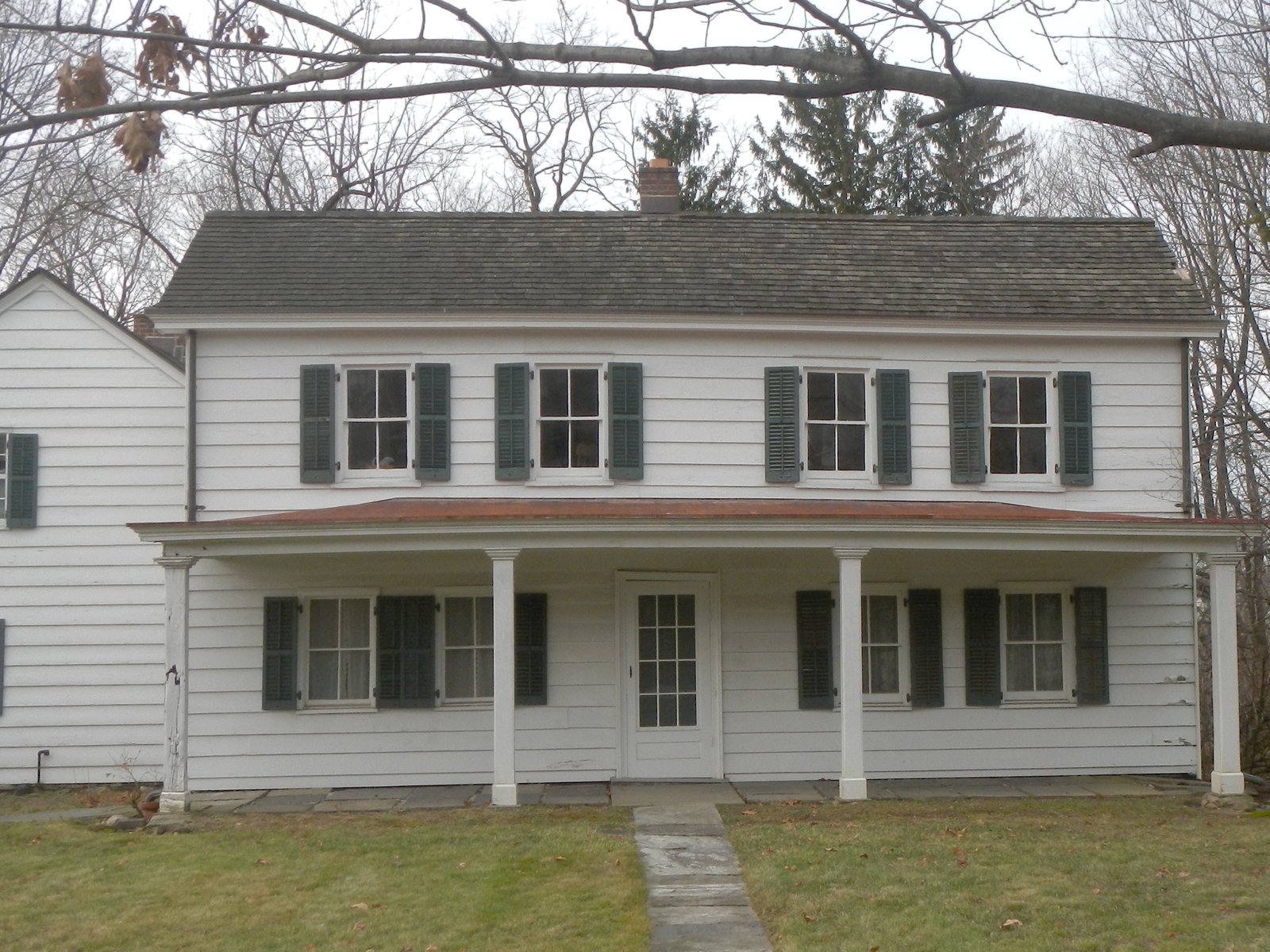
Hero photo: Caleb Hyatt House, White Plains Road, Scarsdale, Westchester County, NY, by Jim.henderson, via Wikimedia Commons, dedicated to the public domain under CC0 1.0; cropped and resized.
Settling an Inherited Home Between Heirs?
Date-of-death and current-value appraisals for sibling buyouts, prepared under USPAP for executors and estate counsel in Westchester, Manhattan, and Greenwich. Court Approved (NY) · SRA · Licensed in Connecticut. Call (914) 413-3800 or request a quote.
Get a Free Quote