
Matrimonial cases rarely move on the schedule anyone planned. The house gets appraised early, discovery drags, a settlement conference falls through, and eighteen months later the parties are negotiating a buyout or heading to trial with a report whose effective date is long past. The question we hear from counsel is simple: is the old appraisal still good, or do we need a new one?
This briefing is for matrimonial attorneys, mediators, and parties in Westchester County, Manhattan, and Greenwich / Fairfield County. It explains why an appraisal has no built-in “expiration date,” what actually makes a divorce appraisal go stale, how USPAP treats an update, and why a lender-style update form is the wrong tool for a divorce. Which valuation date applies in a given case is a legal question, and your attorney decides. Madison & Park is New York Court Approved for NY practice, SRA-designated, and Licensed in Connecticut, with extensive USPAP divorce and retrospective appraisal experience.
A divorce appraisal doesn’t expire on a calendar date. It answers one question: what was this home worth as of one specific date? It goes stale when that date is no longer the date that matters, or when the market or the house has changed enough that the answer no longer fits the question the court or the parties are asking.
An Appraisal Is Tied to Its Effective Date, Not a Shelf Life
Every appraisal states an effective date, the date the value applies to. That is different from the report date (when it was signed) and the inspection date (when the appraiser was in the house). A report with a March effective date is still a credible opinion of value as of March, two years later. What changes is whether March is still useful.
That is why “How long is an appraisal good for?” has two very different answers depending on who is asking:
- Mortgage lending has fixed age rules. Fannie Mae’s Selling Guide, for example, requires the property to be appraised within 12 months before the note date and requires an appraisal update when the original report’s effective date is more than four months old (Fannie Mae B4-1.2-04).
- Divorce has no such rule. The question is whether the effective date in the report matches the valuation date the court sets or the parties agree on, and whether conditions have shifted enough that the number no longer reflects that date.
Why the Valuation Date Can Move in New York and Connecticut
New York. Domestic Relations Law § 236(B)(4)(b) directs the court to set the valuation date or dates for each asset “as soon as practicable” after the action begins, and says those dates may be “anytime from the date of commencement of the action to the date of trial” (NY DRL § 236). New York courts have often described a general distinction: assets whose value changes because of a spouse’s efforts (“active”) tend to be valued at commencement, while assets whose value moves with the market (“passive”) tend to be valued closer to trial. A marital home that simply rose or fell with the market is often treated as passive, but that is a legal call for counsel and the court, and it depends on the facts, including renovations paid for or done by one spouse after commencement. A report dated at commencement may therefore need a second, later effective date if the case goes the distance.
Connecticut. The Connecticut Supreme Court held in Sunbury v. Sunbury, 216 Conn. 673 (1990), that marital assets are generally valued as of the date of dissolution, absent exceptional intervening circumstances (opinion). In practice that means an appraisal done early in a Greenwich or Fairfield County case is often a working number. If trial is months away, the parties may need a value that is as current as possible when the court rules.
Five Signs the Existing Divorce Appraisal Needs an Update
| What changed | Why it matters | Typical response |
|---|---|---|
| The valuation date moved | The court set, or the parties agreed to, a date other than the report’s effective date | New assignment with the correct effective date, current or retrospective |
| The market moved | Price levels, inventory, days on market, or sale-to-list ratios in the subject’s segment have shifted since the effective date | New effective date with fresh comparable sales and a new market-conditions analysis |
| The house changed | Renovation, new roof or systems, an addition, storm or water damage, or deferred maintenance since the first inspection | Re-inspection; the condition as of the new date has to be observed or documented |
| Better comparables now exist | Closer, more similar sales have closed, or a sale in the same co-op line or condo building has recorded | Updated comp set, which may tighten or widen the value range |
| The other side has a newer report | Two reports with effective dates far apart are hard to compare, so the gap may be timing, not opinion | Update to a common date so the reports can be reconciled |
General overview only, not legal advice. Which date controls in a particular case is for counsel and the court.
What USPAP Says About an “Update”
“Update” is common shorthand, but USPAP does not treat it as a touch-up of the old report. Advisory Opinion 3 explains that when a client wants a more current value for a property appraised before, that is a new assignment, not an extension of the prior one. The appraiser has to develop a credible value as of the new effective date: research the current market, select comparables that fit that date, and address any change in the property.
A new assignment does not always mean starting from scratch. If the house hasn’t changed and the same appraiser is reporting for the same client, parts of the earlier work (site description, sketch, construction details) can often be carried forward, which usually saves time and cost. What can’t be carried forward is the market analysis and the value conclusion. Those have to be rebuilt for the new date.
Why a Lender Form 1004D Is the Wrong Tool for a Divorce
Attorneys sometimes ask whether the appraiser can “just do a recert.” In lending, the Fannie Mae update form (Form 1004D) has a narrow job. Under the Selling Guide, the appraiser inspects the exterior, reviews current market data, and reports whether the value has declined since the original report. If it has not, the loan proceeds on the original value.
That answer is fine for a lender protecting its collateral. It is not useful in equitable distribution, where a value that rose matters just as much as one that fell, and where each side needs a specific dollar figure as of a specific date. For a buyout, a stipulation, or a trial, ask for a full opinion of value with the new effective date stated plainly, prepared for the attorney or the parties as the client and the divorce as the intended use. See our guide to private vs. lender appraisals.
Two Dates in One Engagement: Commencement and Current
In New York cases where the valuation date is not yet settled, counsel sometimes asks for two values: one retrospective, as of the date of commencement, and one current. That gives both sides the numbers to argue the date question without ordering a third report later. The retrospective value relies on sales and market conditions known as of the commencement date. The current value relies on today’s comparables and today’s condition. Each conclusion needs its own support, and the report should keep them clearly separate. For more on the earlier date, see our date-of-commencement guide and our overview of retrospective appraisals.
What to Send the Appraiser When Ordering an Update
- The prior appraisal report, including the effective date, client, and intended use
- The valuation date or dates set by the court or agreed between counsel, in writing
- A list of any work done on the house since the first inspection, with permits and contractor invoices
- Insurance claims or repair records for damage since the prior report
- Any listing of the property, offers received, or broker opinions obtained since the first report
- For co-ops and condos: any change in maintenance or common charges, assessments, or building-wide projects
- Contact and access arrangements for a re-inspection, coordinated through counsel
If the occupying spouse won’t allow a re-inspection, the update can sometimes be completed with clearly stated assumptions about condition. See when a spouse won’t allow the appraiser inside.
Westchester, Manhattan & Greenwich Considerations
Westchester County. Many Westchester village markets are thin. A handful of closings in a single month can move a headline median sharply, which says little about one house. When we update a Westchester divorce value, we look at the subject’s own segment over a longer window — comparable size, style, and price tier — instead of relying on a town-wide month-over-month change. See our Westchester appraisal page.
Manhattan. For co-ops and condos, the most persuasive new evidence is often a recent sale in the same building or line. Changes in maintenance, a new assessment, or a change in the building’s underlying mortgage can also affect value between dates. See our Manhattan co-op and condo divorce guide.
Greenwich and Fairfield County. Because Connecticut generally values assets at the date of dissolution, the timing of the update matters. Ordering it too early can leave a gap before the decree, while ordering it after trial is too late. Large custom homes and waterfront properties often have few direct comparables, so a single new sale can shift the analysis. Madison & Park is Licensed in Connecticut, SRA-designated, and experienced in USPAP date-specific valuations. See our Greenwich divorce appraisal page.
How Madison & Park Helps
We regularly update our own divorce reports and prepare new-date valuations when another firm did the original work. We confirm the effective date or dates with counsel before we start, re-inspect when the property may have changed, rebuild the comparable set and market analysis for the new date, and explain in plain language what changed between the two values and why. Every report is prepared under USPAP for the stated intended use, so an attorney, mediator, or the other side can follow exactly how the number moved.
Final Thoughts
An older divorce appraisal isn’t wrong. It answers a question about an earlier date. Before relying on it for a buyout, a settlement, or trial, confirm the valuation date that applies, ask whether the market or the house has changed since then, and if it has, order a real update with a stated effective date, not a lender recertification.
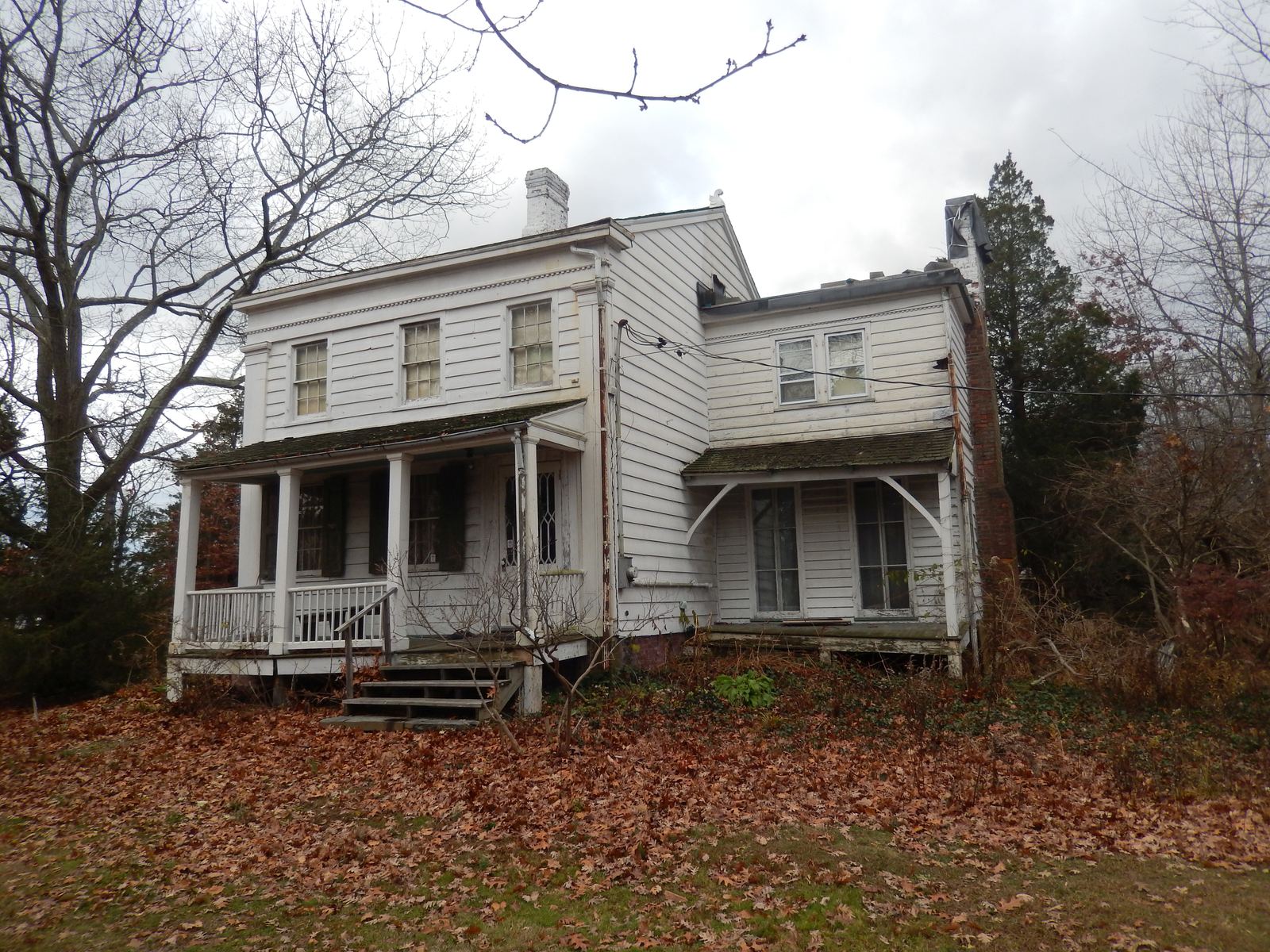
Hero photo: Bird Homestead main house (built 1835), Rye, Westchester County, NY, by Barry Eagel (N0TABENE), via Wikimedia Commons, licensed CC BY-SA 4.0; resized.
Need an Updated Divorce Value?
New-date and dual-date (commencement and current) divorce appraisals with re-inspection and a clear explanation of what changed, for Westchester, Manhattan, and Greenwich. Court Approved (NY) · SRA · Licensed in Connecticut. Call (914) 413-3800 or request a quote.
Get a Free Quote