
In a lot of divorces, the spouse who still lives in the house controls the front door. Sometimes the appraiser is welcomed in. Sometimes the inspection gets rescheduled three times, the basement is "not a good day," or the answer is simply no. The appraisal still has to get done, and the way it gets done affects how much weight the number will carry later.
This briefing is for matrimonial attorneys, mediators, and parties in Westchester County, Manhattan, and Greenwich / Fairfield County. It explains what an appraiser can and cannot credibly do without interior access, how USPAP handles the gap, and what counsel can do to get the inspection back on track. How to compel access is a legal decision, and your attorney decides. Madison & Park is New York Court Approved for NY practice, SRA-designated, and Licensed in Connecticut, with extensive USPAP divorce and retrospective appraisal experience.
An exterior-only divorce appraisal is not a guess, but it rests on assumptions about the inside of the house. Every one of those assumptions is a place where the other side can push back, so the report should name them plainly and the attorney should know them before relying on the number.
Your Options When the Interior Is Off-Limits
| Approach | What the appraiser relies on | Strength | Main weakness |
|---|---|---|---|
| Negotiated access | Full interior inspection at an agreed time, often with both attorneys’ consent | Most reliable; condition and updates observed firsthand | Depends on cooperation or a stipulation |
| Court-ordered or discovery-based inspection | Full interior inspection under an order or discovery demand | Same reliability as negotiated access | Time and legal cost to obtain |
| Exterior-only with extraordinary assumptions | Street view, public records, prior MLS listing photos, permits, owner or spouse descriptions | Can be completed on schedule | Interior condition, finish level, and updates are assumed, not observed |
| Exterior now, interior update later | Exterior-only report first, revised if access is later granted | Keeps the case moving and leaves room to firm up the value | Two rounds of work and a second fee |
General overview only, not legal advice. Which path fits a case is for counsel and the court to decide.
What USPAP Requires When the Appraiser Can’t Get Inside
USPAP does not forbid an appraisal without an interior inspection. It requires that the scope of work be appropriate for the intended use and that the report disclose what was and wasn’t done. In practice, a credible exterior-only divorce report will:
- State plainly that the interior was not inspected and why, without taking sides about whose fault that was.
- Identify each extraordinary assumption. For example, that the interior condition is consistent with the exterior and with the most recent listing photos, that the kitchen and baths have not been altered since a 2019 sale, or that the finished basement described in the tax record still exists.
- Explain the sources used for room count, gross living area, and condition: assessor records, building permits, a prior appraisal, past listing photos, a floor plan, or a description from the spouse who no longer lives there.
- Say that the value could change if an interior inspection reveals conditions different from what was assumed.
An extraordinary assumption is only allowed if it is reasonable to make and the result is still credible. If there is real reason to believe the interior has been gutted, heavily renovated, or damaged, an exterior-only number may not be credible for a divorce at all, and the better answer is to get inside.
Where Exterior-Only Values Go Wrong
In Westchester, Manhattan, and Greenwich, the biggest value swings tend to be things you cannot see from the curb:
- Kitchen and bath updates. In many Westchester markets, a fully renovated Colonial and an original-condition Colonial on the same street can trade far apart. Without access, the appraiser has to assume one or the other.
- Finished lower levels and attics. Fannie Mae and ANSI rules keep below-grade space out of gross living area, but a finished basement still affects value. Whether it’s finished, and how well, is rarely visible from outside.
- Deferred maintenance. Water damage, an aging boiler, or a failing roof can be invisible from the street and worth tens of thousands of dollars.
- Manhattan co-ops and condos. Without entering the unit, the appraiser can’t confirm the layout, a combination of two units, renovation quality, or the view and light from the windows, and those features drive value more than building amenities do.
- Greenwich and Fairfield County estates. Large custom homes, guest cottages, pool houses, and finished carriage-house space make interior assumptions especially risky.
If the spouse who controls access later says, “You missed the leaking roof,” or “You missed the $400,000 kitchen,” the report only holds up if its assumptions were reasonable, disclosed, and backed by the best records available at the time.
How Attorneys Typically Get the Inspection Done
Most access problems are solved without a fight. In our experience, the steps that work best are simple:
- Put the inspection in writing. A short letter or stipulation between counsel naming the appraiser, a date and time window, and which areas will be inspected (including the basement, attic, garage, and any accessory structures) prevents most last-minute cancellations.
- Agree on who attends. Many inspections go more smoothly when only the occupying spouse, or neither spouse, is present. The appraiser measures, photographs, and leaves; the visit for a typical single-family home usually takes about an hour.
- Use discovery tools if needed. In New York, counsel commonly looks to the CPLR’s discovery provisions on entry onto property for inspecting, measuring, and photographing. Connecticut practice has its own rules for requests to enter land for inspection. Whether and how to use them is a call for counsel.
- Ask the court. If the occupying spouse continues to refuse, an order directing access on a set date is often the fastest way to stop the delay.
Delay has its own valuation cost. The longer an inspection is put off, the further the inspection date drifts from the valuation date. In New York, where the marital home is often valued as of the commencement date or as of trial depending on the case, that can turn a current appraisal into a retrospective appraisal that has to explain what changed in between.
What to Send the Appraiser Before an Exterior-Only Assignment
If the case has to move forward without access, the quality of the documents you supply decides how strong the assumptions are. Helpful items include:
- The most recent MLS listing, including interior photos, if the home was bought or listed in the last several years
- Any prior appraisal (refinance, purchase, or HELOC), which often has interior photos and a sketch
- Building permits, certificates of occupancy, and contractor invoices for renovations
- Insurance claims for water, fire, or storm damage
- Floor plans, a survey, and, for co-ops and condos, the offering plan unit layout
- A written description from the non-occupying spouse of the condition as of the date they left, with that source identified in the report
Everything supplied is noted in the report, so the other side can see exactly what the value rests on.
Westchester, Manhattan & Greenwich Considerations
Westchester County. Assessor records in many towns are thin on interior detail, and finished basements and attic conversions are common. Older prior listings and permit histories from the building department are often the best substitute for an interior visit.
Manhattan. Building management may limit access to the unit even when both spouses agree, so the inspection usually needs to be scheduled through the managing agent. For co-ops, the offering plan and any alteration agreement on file can confirm the layout and renovations when the unit itself is off-limits. See our Manhattan co-op and condo divorce guide.
Greenwich and Fairfield County. Connecticut divorce valuations are generally tied to the date of dissolution, so a delayed inspection there is often less about retrospective dating and more about the report reflecting the home’s real condition at trial. Madison & Park is Licensed in Connecticut, SRA-designated, and experienced in USPAP date-specific valuations. Gated drives and large lots also mean exterior views can be very limited, which makes records and prior photos more important. See our Greenwich divorce appraisal page.
How Madison & Park Helps
We handle access problems on divorce assignments regularly. We can schedule through counsel, work around the occupying spouse’s calendar, complete an exterior-only report with clearly stated extraordinary assumptions when the case can’t wait, and update the report once the interior becomes available. Every report is prepared under USPAP for the stated intended use, with the assumptions written so that an attorney, a mediator, or the other side can see exactly where the value comes from.
Final Thoughts
When a spouse won’t open the door, the appraisal doesn’t have to stop, but its reliability depends on how well the gap is handled. Get access in writing if you can, compel it if you must, and if you go exterior-only, give the appraiser the best records available and read the assumptions before relying on the number.
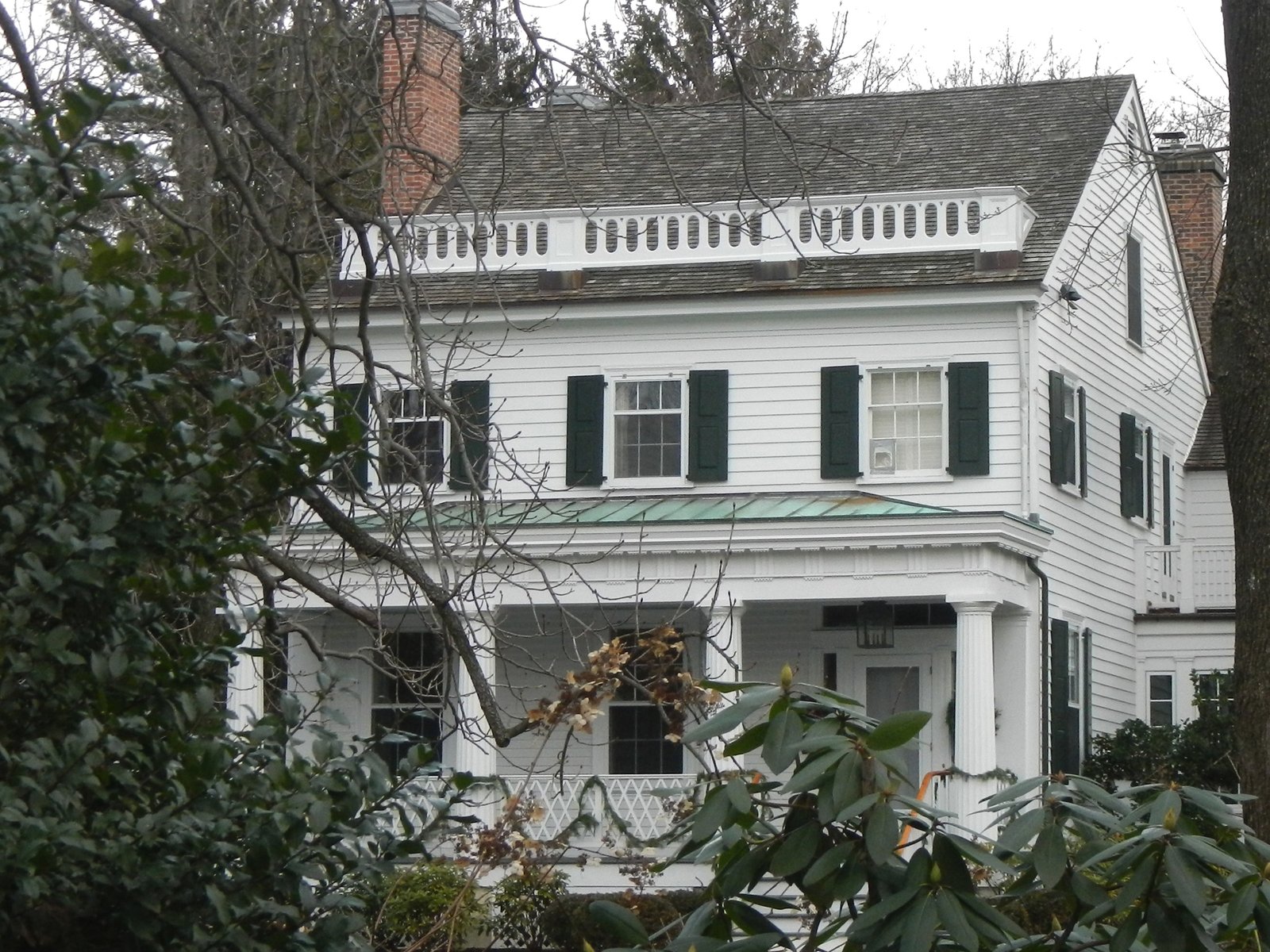
Hero photo: Masterton–Dusenberry House (c. 1830, Greek Revival), Bronxville, Westchester County, NY, seen from White Plains Road through shrubs, by Jim.henderson, via Wikimedia Commons, licensed CC BY-SA 3.0; cropped and resized.
Spouse Won’t Allow the Inspection?
Scheduling through counsel, exterior-only reports with clearly stated assumptions, and interior updates once access is granted, for Westchester, Manhattan, and Greenwich. Court Approved (NY) · SRA · Licensed in Connecticut. Call (914) 413-3800 or request a quote.
Get a Free Quote