
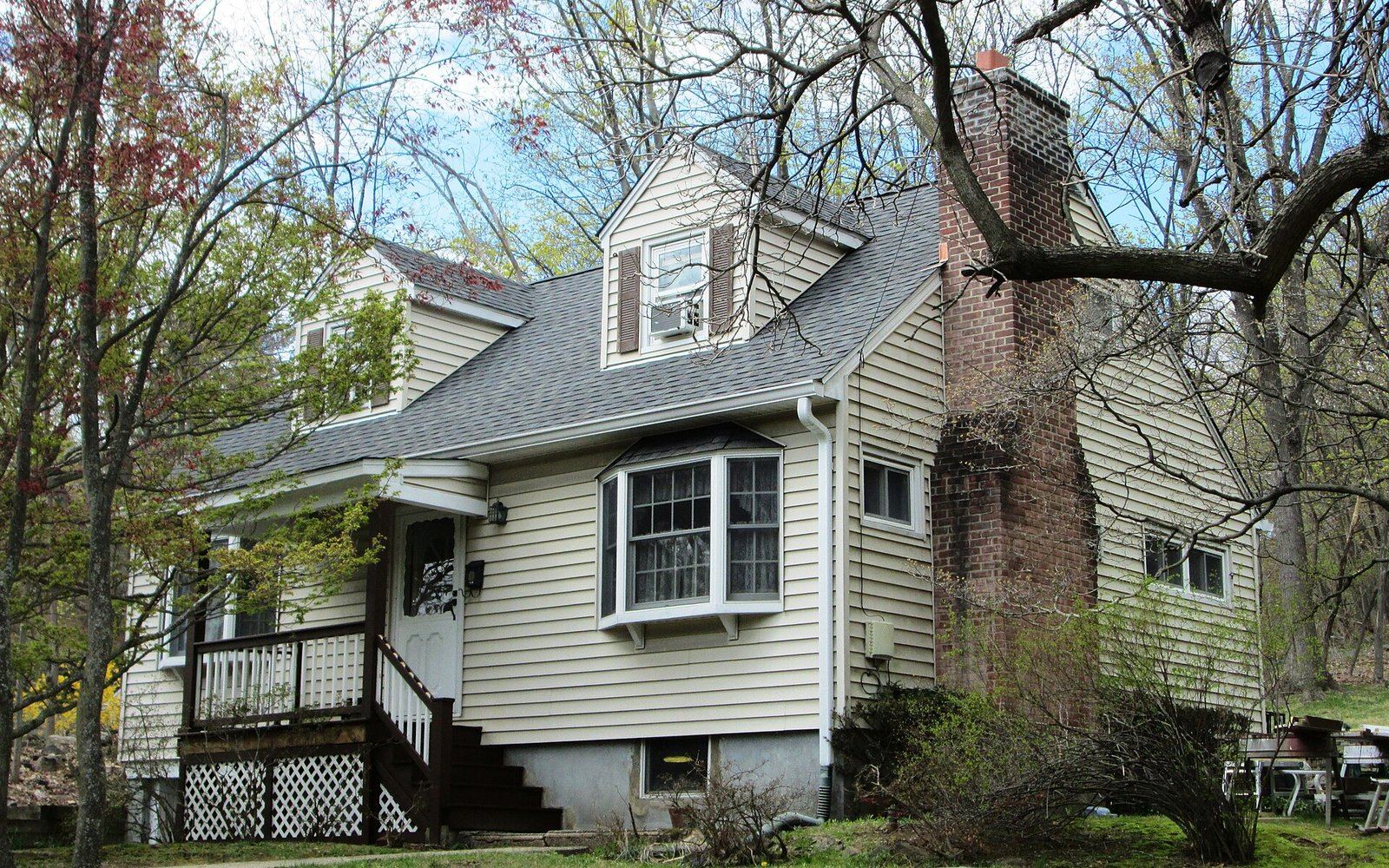
One of the most common valuation questions in a New York or Connecticut divorce is not “what is the house worth?” but “how much of what it’s worth now belongs to the marriage?” When one spouse owned the home before the wedding, received it by inheritance or gift, or bought it with traceable separate funds, counsel often need more than one number. They need the value as of the date of marriage (or the date of acquisition), the value as of the date of commencement or a current date, and sometimes a third opinion that isolates what marital-funded improvements added.
This briefing is for matrimonial attorneys, mediators, and parties handling premarital homes and inherited real estate across Westchester County, Manhattan, and Greenwich / Fairfield County. It covers how the legal question shapes the appraisal assignment, how a retrospective date-of-marriage appraisal is built, how improvements are isolated with a disclosed hypothetical condition, and which engagement terms keep the numbers usable. Madison & Park is New York Court Approved for NY practice, SRA-designated, and Licensed in Connecticut, with extensive USPAP retrospective and divorce experience.
An appraiser does not decide whether appreciation is separate or marital. The appraiser supplies clean, dated market values — at marriage, at commencement, and, where needed, “as if” a marital-funded improvement had not been made — so counsel can argue the characterization from facts instead of guesses.
Why Separate Property Appreciation Needs Two (or Three) Values
Under New York’s Domestic Relations Law §236(B)(1)(d)(3), separate property includes “the increase in value of separate property, except to the extent that such appreciation is due in part to the contributions or efforts of the other spouse.” New York courts, beginning with the Court of Appeals in Price v. Price (1986), distinguish broadly between passive appreciation (market forces) and active appreciation (contributions or efforts during the marriage). How that line is drawn in a specific case is a legal question for counsel and the court.
Connecticut takes a different approach. Under C.G.S. §46b-81, a Connecticut court may assign all or any part of the estate of either spouse, so a premarital or inherited home is generally within reach, and the timing and source of acquisition are among the factors the court can weigh. Either way, the arguments depend on the same factual building blocks: what the property was worth at the starting date, what it is worth at the valuation date, and what (if anything) specific improvements contributed.
Without those inputs, counsel end up arguing from purchase prices, tax assessments, or a Zillow history chart — none of which is a market-value opinion with a stated effective date. For the commencement-date side of the analysis, see date-of-commencement appraisals in NY divorce.
The Retrospective Date-of-Marriage Appraisal
A date-of-marriage value is a retrospective appraisal: the effective date is in the past, and the appraiser reconstructs the market as it stood then. USPAP permits this when the report clearly states the effective date, the date of the report, and the information relied on. In practice, a defensible retrospective opinion for a premarital home relies on:
- Closed sales from before the effective date — comparables that a buyer could have known about at the time, not later sales back-adjusted without support.
- Market conditions as of that date — price trends, inventory, days on market, and sale-to-list ratios for the subject’s competitive set, measured over the months leading into the effective date.
- Subject condition and features as of that date — the hardest part. Prior appraisals, old MLS listings and photos, building permits, contractor invoices, insurance records, and property record cards help establish what the home looked like before renovations.
- Ownership interest as of that date — fee-simple house, condo unit, or co-op shares and proprietary lease. A Manhattan co-op bought before marriage is appraised as the shares allocated to the unit, using co-op comps; see our Manhattan co-op and condo divorce guide.
The further back the date, the more the report should say about data limitations. A 2010 date of marriage in a Westchester village with thin sales volume calls for a wider comparable search and more explanation than a 2022 date in a high-volume Manhattan building.
Isolating Marital-Funded Improvements
When the argument is that appreciation is “active” — a kitchen, an addition, a finished lower level, or a new roof paid for with marital funds or built with the other spouse’s labor — counsel often want to know how much of today’s value those improvements actually contribute. Cost is not the answer. A $180,000 kitchen does not necessarily add $180,000 of market value, and some improvements add more than they cost in a tight market.
The appraisal tool for this is a hypothetical condition, disclosed under USPAP: the property is valued as of the valuation date as if the identified improvement had not been made, alongside the as-is value. The difference is the market’s measure of that improvement’s contributory value on that date, supported by paired sales and comparable adjustments rather than receipts.
Illustrative Example (hypothetical numbers, not a real property)
- Premarital Westchester Cape Cod, value as of date of marriage: $900,000
- Value as of date of commencement, as-is (with marital-funded addition): $1,500,000
- Value as of date of commencement, hypothetical without the addition: $1,380,000
- Indicated contributory value of the addition: about $120,000
- Remaining change from marriage to commencement (about $480,000) reflects market movement and other factors counsel will characterize
How counsel use those figures — whether mortgage paydown with marital funds matters, how labor is credited, or how Connecticut factors are weighed — sits outside the appraisal. What the report must do is make each number traceable to market evidence and clearly labeled by effective date and condition.
Inherited and Gifted Homes
The same framework applies when a spouse inherited a home or received it as a gift during the marriage. The starting value is typically as of the date of death or the date of the gift, and that value may already exist in an estate or gift file. If it does, counsel should check whether that earlier appraisal was a USPAP market-value opinion with the right effective date, or a broker letter or assessment printout. Estate-side background: Westchester estate and date-of-death appraisals and gift tax appraisals.
If a date-of-death or gift appraisal already sits in the estate file, it can anchor the separate-property starting value. If it was a broker opinion or an assessed value, expect opposing counsel to attack it.
Westchester, Manhattan & Greenwich Considerations
- Westchester County: Many premarital homes were bought at very different price levels. Village-level sales data (Larchmont, Bronxville, Scarsdale, Rye, and others) can move differently from the county median, so retrospective comps should stay in the subject’s competitive set. Local context: Westchester real estate appraiser.
- Manhattan: Co-op and condo values can be driven by building-specific factors (maintenance or common charges, assessments, sale history in the building) that change over a long marriage. A date-of-marriage opinion should use the building’s own sales at that time where the data exists. Service page: Manhattan divorce appraisal.
- Greenwich / Fairfield County, CT: Higher-value estates and waterfront properties often have thin sales volume, so retrospective work leans on a wider search and careful market-conditions analysis. Madison & Park handles these as Licensed in Connecticut · SRA · USPAP retrospective appraisals. Related: Connecticut / Greenwich divorce appraisals and Greenwich divorce appraisal.
Market descriptions in these reports should stay on measurable indicators: closed-sale prices, inventory, DOM, sale-to-list ratios, and sales volume.
Engagement Terms for Separate-Property Assignments
Most disputes over these reports trace back to a vague order. The engagement letter should spell out:
- Each effective date — date of marriage (or acquisition, inheritance, or gift), date of commencement or other stipulated date, and current value if needed.
- Condition basis for each date — as it existed on that date, with the sources the appraiser may rely on (photos, permits, prior reports).
- Any hypothetical condition — for example, “as if the 2019 rear addition had not been constructed,” with the improvement described precisely.
- Interest appraised — fee simple, condo unit, or co-op shares and proprietary lease.
- Intended use and users — equitable distribution analysis in a named matter; counsel and parties, and whether the report may go to a mediator, the court, or an opposing expert.
- Documents to be provided — closing statement, deed, prior appraisals, permits, and contractor invoices, which save time and tighten the retrospective analysis.
Separate-Property Engagement: Quick Insert Language
- Retrospective market value as of [date of marriage / acquisition / inheritance]
- Market value as of [date of commencement / stipulated date / current]
- Hypothetical value as of [date], as if [described improvement] had not been made
- Interest appraised: [fee simple / condo unit / co-op shares and proprietary lease]
- Intended use: equitable distribution analysis in [caption]; intended users: [named counsel and parties]
- Client to provide: deed, closing statement, prior appraisals, permits, improvement invoices
For attorney intake and turnaround expectations, see For Attorneys and Court Approved appraiser (NY).
How Madison & Park Supports Separate-Property Valuations
Madison & Park Appraisal prepares private, attorney-friendly residential appraisals for divorce across Westchester County, Manhattan, and licensed Connecticut coverage. Dave Lister, SRA, is a Certified Residential Appraiser and New York Court Approved for NY matters, with extensive USPAP retrospective experience, including multi-date assignments that pair a date-of-marriage value with a commencement or current value and isolate specific improvements.
For a separate-property, premarital-home, or inherited-home valuation, call (914) 413-3800 or use our contact form. Start with the firmwide divorce appraisal page, or see marital home buyout appraisals when the next step is a buyout.
Final Thoughts
Separate-property disputes turn on dates. A single “current value” cannot show how much a premarital or inherited home appreciated during the marriage, or what a marital-funded addition contributed. A USPAP appraisal scoped with each effective date, each condition basis, and any hypothetical condition gives counsel a set of numbers they can characterize, argue, and settle from.
Need a Date-of-Marriage or Separate-Property Appraisal?
Private, USPAP-compliant retrospective and multi-date appraisals for equitable distribution in Westchester, Manhattan, and Greenwich. Court Approved (NY) · SRA · Licensed in Connecticut. Call (914) 413-3800 or request a quote.
Get a Free Quote