
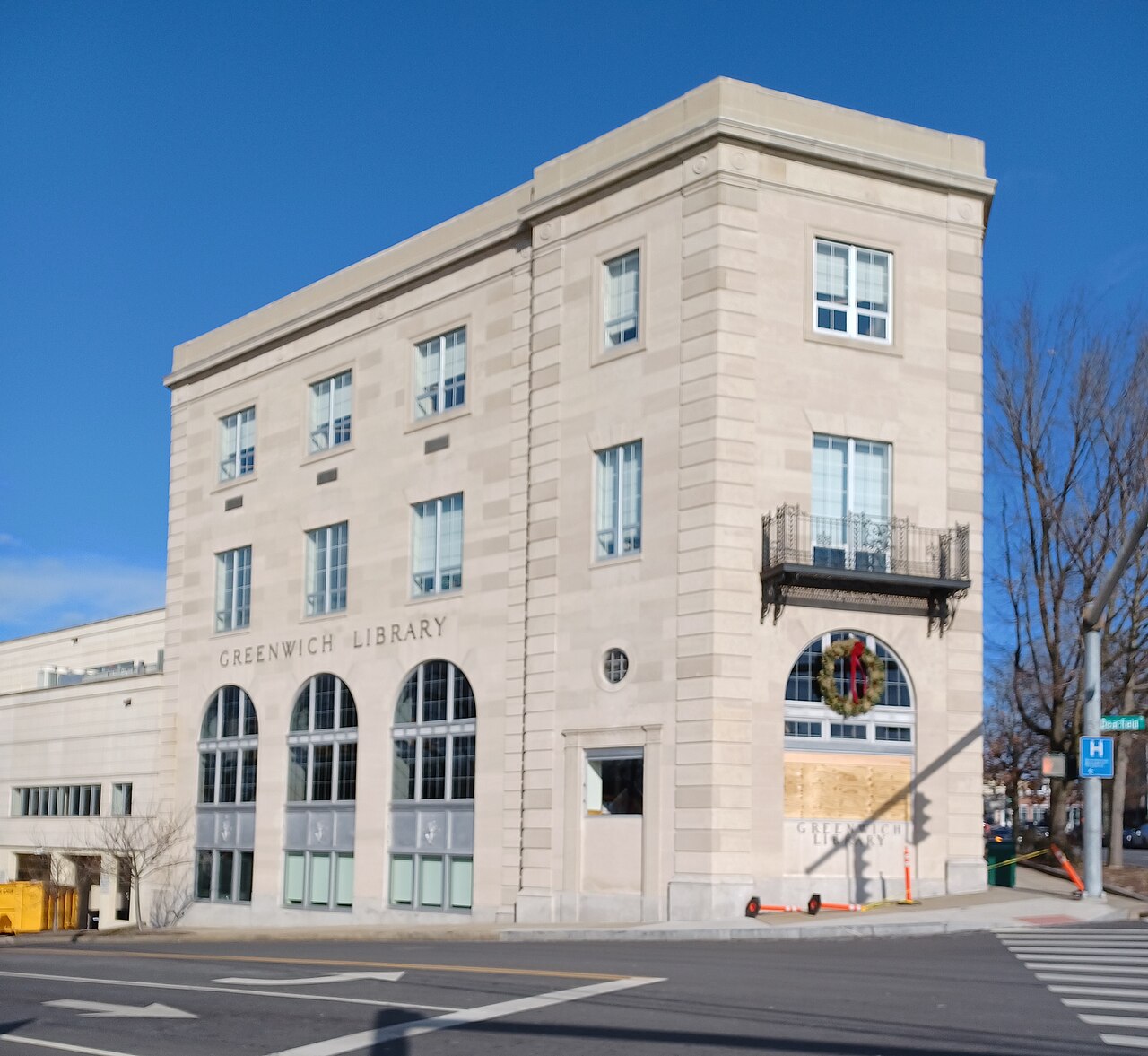
When Connecticut matrimonial counsel need a number for the marital residence — for equitable distribution, a buyout, or settlement negotiations — that number has to hold up under scrutiny. A Zillow printout, a listing agent’s CMA, or a leftover refinance appraisal rarely does. What counsel typically order is a private, USPAP-compliant appraisal scoped for divorce use: an independent market-value opinion with a stated effective date, intended users, and transparent comparable selection.
This briefing is for attorneys and parties handling Greenwich and Fairfield County divorce valuations. It covers why a certified private appraisal is the right tool (not a CMA, AVM, or lender form), how Greenwich location splits affect comps, engagement-letter terms that prevent later fights, NY vs. CT practice notes without overclaiming credentials, and how the report supports buyouts and settlement. Madison & Park is Licensed in Connecticut, SRA-designated, with USPAP retrospective and date-of-death / divorce experience across Westchester, Manhattan, and Fairfield County — including Greenwich. New York “Court Approved” status applies to New York practice only and is never claimed as a Connecticut credential.
A divorce appraisal answers a practical question: what would a willing buyer pay a willing seller for this home, under market conditions as of the agreed effective date, so counsel can convert that value into an equitable share, buyout check, or settlement offset.
Why CT Matrimonial Counsel Order a Private USPAP Appraisal
Equitable distribution disputes stall when the two sides argue from different products. Connecticut counsel who want a defensible baseline usually reject shortcuts for the same reasons New York counsel do:
- CMAs bracket a listing price for marketing. They are not independent appraisal opinions with USPAP certifications and intended-user statements counsel can rely on in mediation or court.
- AVMs do not inspect condition, do not document access limits common in contested matters, and do not analyze extraordinary assumptions about unfinished renovations or deferred maintenance.
- Lender appraisals are written for underwriting under GSE or investor guidelines, often with a lending effective date and intended users limited to the lender/client — not counsel and the parties for settlement.
Reusing a refinance appraisal for equitable distribution is a frequent source of dispute when opposing counsel notices the wrong intended use, missing private-scope analysis, or a date that does not match the settlement timeline. For service context, see our divorce appraisal page, Greenwich divorce appraisal coverage, and Insights on equitable distribution in NY and CT and marital home buyouts.
Greenwich & Fairfield County: Location Splits That Matter for Comps
Greenwich is not one comparable pool. Treating “town median price” as the subject’s value is how buyout math goes sideways. Appraisers working Greenwich and adjacent Fairfield County locations select comps by competitive set — price band, inventory depth, days on market (DOM), and sale-to-list behavior — not by town label alone. Practical location splits counsel should expect to see discussed (in market terms only):
- Riverside / Old Greenwich / Cos Cob: Coastal and near-coastal inventory often trades in different price bands and volume windows than inland parcels. Comp selection stays inside the competitive set that buyers actually cross-shop.
- Backcountry: Larger lots and different inventory depth mean countywide or downtown Greenwich averages can mislead. Closed sales, DOM, and sale-to-list in the subject’s competitive set matter more than townwide medians.
- Central / avenue-adjacent stock: Smaller lots and different price / DOM patterns than backcountry or water-influenced sets. Mixing these pools without adjustment invites challenge.
- Stamford-adjacent and other Fairfield County borders: Border properties may show buyer overlap with neighboring municipalities. The report should document why comps were drawn from one pool rather than another — again using price, inventory, DOM, and sale-to-list evidence.
Market strength language in a divorce report should stay on measurable indicators: closed-sale prices, active and pending inventory, DOM, sale-to-list ratios, and volume. Townwide snapshots are context; subject-specific comps are the analysis. For broader Greenwich market framing, see Greenwich appraisal coverage.
In Greenwich divorce work, the comparable grid is a location decision as much as a price decision. Wrong pool, wrong number — even if every sale is “in town.”
Engagement Terms Attorneys Care About
Clear scoping prevents most appraisal fights before they start. At minimum, the engagement letter (or appraisal order) for a Connecticut matrimonial matter should specify:
- Effective date — calendar date for value (current date, stipulated settlement date, or another agreed valuation date).
- Property identification — address, unit, tax ID, and ownership type (fee simple, condo, or other interest as defined).
- Intended use — equitable distribution / buyout negotiation / divorce settlement / litigation support (as applicable).
- Intended users — named counsel and parties; whether the report may be shared with a mediator, court, or opposing expert.
- Scope of inspection — interior/exterior, or exterior-only with stated limitations when access is contested.
- Hypothetical conditions / extraordinary assumptions — e.g., condition as inspected; treatment of unfinished renovations; personal property vs. real property.
- Dual appraisals — if each side retains an appraiser, align effective date, property rights, and intended use so the two opinions are comparable brackets rather than apples-to-oranges.
- Fee, retainer, and payment responsibility — which party (or escrow) pays, especially when access disputes delay inspection.
CT Divorce Engagement — Quick Insert Language
- Effective date of value: [settlement / stipulated / other agreed date]
- Intended use: equitable distribution / buyout of marital residence in [caption]
- Intended users: counsel for both parties / named firm(s)
- Interest appraised: fee simple / condo interest as defined
- Assumptions: condition and improvements as of effective date unless otherwise stated
- Retainer and payment: [party / escrow] responsible; draft review window and deadline noted
Counsel who treat the engagement letter as a checklist — not boilerplate — get reports that plug directly into settlement models. For attorney-oriented intake, see For Attorneys.
NY vs. CT: Credentials Without Overclaiming
Cross-border matters are common: a New York marital home and a Connecticut second home, or the reverse. Credential language must stay precise:
- Licensed in Connecticut — Madison & Park holds Connecticut licensure for residential appraisal assignments in the state, including Greenwich and Fairfield County.
- SRA designation — Appraisal Institute SRA designation supporting residential appraisal practice.
- USPAP compliance — reports prepared in accordance with USPAP, including retrospective effective dates when ordered (overlap with date-of-death / commencement-style methodology when counsel needs a past-date opinion).
- New York Court Approved — applies to New York practice only. It is never presented as a Connecticut court credential or as “Court Approved” for CT matters.
When both states are in play, specify jurisdiction, license, and valuation date for each property in separate scopes. Related NY methodology pieces — useful when counsel is bridging both states — include date-of-commencement appraisals and buyout appraisals.
How the Appraisal Supports Equitable Distribution, Buyouts & Settlement
The appraisal does not decide who keeps the house or what percentage each spouse receives. It supplies a defensible market value so counsel can negotiate from a shared factual baseline. Typical uses in Connecticut matrimonial practice:
- Equitable distribution worksheets — plugging a supportable market value into the asset column for the marital residence.
- Buyout pricing — converting appraised value (minus agreed liens) into an equity check or offset when one spouse keeps the home.
- Mediation and settlement conferences — giving both sides a transparent report rather than competing screenshots.
- Dual-appraisal brackets — when each side retains an expert, matched effective dates and scopes make the gap negotiable.
At a high level — and without substituting for counsel’s advice on Connecticut equitable distribution, tax, or refinance feasibility — buyout models often start from appraised market value, minus outstanding mortgages and agreed liens, times the agreed equitable share, adjusted for credits and other assets. Whether the keeping spouse refinances, assumes the loan (when permitted), or structures payment over time is a legal and lending question. What the appraiser must get right is the value input.
How Madison & Park Supports CT Divorce Appraisals
Madison & Park Appraisal provides private, attorney-friendly residential appraisals for divorce and equitable distribution across Westchester County, Manhattan, and licensed Connecticut coverage — including Greenwich and Fairfield County. Dave Lister, SRA, is a Certified Residential Appraiser, Licensed in Connecticut, with extensive USPAP retrospective and date-of-death / divorce experience. New York Court Approved status applies to New York matters only.
Typical Connecticut workflows include single-party engagements, dual appraisals with matched effective dates, and reports scoped for mediation or trial support. For a Greenwich or Fairfield County divorce appraisal — or a related buyout / settlement opinion — call (914) 413-3800 or use our contact form. Start with Greenwich divorce appraisal or the firmwide divorce appraisal page.
Final Thoughts
Connecticut divorce valuations succeed when counsel start from a shared, defensible market value — not from competing CMAs or AVMs. A private USPAP appraisal names the effective date, intended users, and intended use; selects comps inside the right Greenwich / Fairfield competitive set using price, inventory, DOM, and sale-to-list evidence; and gives both sides a number they can negotiate from. Align the question in the engagement letter first; the settlement math follows.
Need a Connecticut Divorce Appraisal?
Private, USPAP-compliant appraisals for CT equitable distribution and buyouts — Greenwich, Fairfield County, and cross-border NY/CT matters. Licensed in Connecticut · SRA. Call (914) 413-3800 or request a quote.
Get a Free Quote