
Many Westchester, Manhattan, and Greenwich families never put the house through probate at all. Years earlier, a parent signed a deed giving the house to the children while keeping the right to live there for life—a life estate for the parent and a remainder interest for the children. When the parent dies, the life estate ends and the remaindermen own the property outright. No will needs to move the title.
That does not mean no appraisal is needed. Executors, estate attorneys, elder-law attorneys, and CPAs still need a supportable value—often more than one, on different dates. This briefing explains which values a life estate file typically calls for, what the appraiser actually values, and what to send. Madison & Park is New York Court Approved for NY practice, SRA-designated, and Licensed in Connecticut, with extensive USPAP experience on date-of-death and retrospective estate assignments.
A life estate deed keeps the house out of probate. It does not keep the house out of the valuation file. The date-of-death value of the whole property usually still matters—for the estate-tax computation and for the heirs’ basis.
Life Estate and Remainder: The Two Pieces of One House
A life estate deed splits ownership across time. The life tenant (usually the parent) keeps the right to occupy, rent, or use the property for life. The remaindermen (usually the children, sometimes a trust) hold a future interest that becomes full ownership at the life tenant’s death. In New York these deeds are common in elder-law and Medicaid planning; in Connecticut the same idea often appears as a reserved “life use.” Counsel handles benefit eligibility, look-back, and recovery questions—those are legal issues, not appraisal issues.
For valuation, the important point is that both pieces are carved out of one asset. The appraiser’s starting point is almost always the fee simple market value of the whole property as of the relevant date. The split into a life-estate value and a remainder value is usually an actuarial step that counsel or the CPA performs using IRS tables—not a second appraisal.
Which Dates Need a Value?
A life estate file can involve several effective dates. Scoping the right one up front avoids paying twice.
- The deed date (lifetime gift). When the parent deeded the remainder to the children, that transfer was generally a gift. A gift tax return (Form 709) may have been required, and the gift’s value starts with the market value of the home on the deed date. If no appraisal was done at the time, a retrospective appraisal can document it now. See our Form 709 gift appraisal guide.
- The life tenant’s date of death. This is the value most files need. Under IRC §2036, property the decedent transferred while keeping the right to possess or enjoy it for life is generally included in the decedent’s gross estate—at the full date-of-death value, not a reduced remainder value.
- The alternate valuation date. If a federal estate tax return is filed and the executor elects alternate valuation under IRC §2032, a second value six months after death (or as of an earlier sale date) may be needed. See alternate valuation date appraisals.
- A remainderman’s death before the parent. If one of the children dies while the parent is still living, that child’s estate holds a remainder interest, which typically is valued by applying the IRS actuarial factor to the property’s fee simple value on that child’s date of death.
- A lifetime sale. If the life tenant and remaindermen sell together while the parent is alive, a current-value appraisal supports the price and the actuarial split of the proceeds.
Why the Full Value Usually Counts at Death
Families are often surprised that a house “given away” years ago still shows up in the parent’s estate. Because the parent kept the life estate, IRC §2036 generally pulls the entire property back into the gross estate at its date-of-death value. New York and Connecticut estate tax calculations generally begin with the federal gross estate concept, so the same value typically flows into New York Form ET-706 or Connecticut Form CT-706 / CT-706 NT when those filings apply.
There is a planning reason families accept this. Property included in a decedent’s gross estate generally receives a basis adjusted to fair market value at death under IRC §1014, which can sharply reduce capital gains when the children sell. A credible date-of-death appraisal is often the best evidence of that basis—particularly years later, when the house is sold and the CPA needs a number the IRS will accept. See stepped-up basis appraisals for inherited property. Whether the step-up applies in a specific file, and how gift-tax history interacts with it, is for counsel and the CPA to confirm.
What the Appraiser Values—and What the Actuarial Tables Do
USPAP requires the appraiser to identify the real property interest being appraised. In most life estate assignments that interest is the fee simple—the whole house, as if owned outright—because the tax and basis computations start there. The report should say so plainly, and should identify the intended use (for example, estate inventory, Form 706, ET-706, CT-706, basis support, or gift reporting) and the intended users.
When counsel needs separate values for the life estate and the remainder—for a gift return, a remainderman’s estate, or splitting sale proceeds—the usual approach is to apply the IRS actuarial factors published under IRC §7520 (based on the life tenant’s age and the §7520 rate for the month of the transfer) to the appraised fee simple value. The appraiser supplies the market value; the attorney or CPA applies the factor and any special tax rules. If a matter genuinely requires a market-based value of a partial interest (for example, a negotiated family buyout of a remainder), that is a different scope and should be discussed at engagement.
Quotable Rule of Thumb
- Appraiser: market value of the whole property (fee simple) as of the right date
- Attorney / CPA: actuarial split between life estate and remainder, plus the tax treatment
- Report: names the interest, the effective date, and the intended use so the two steps line up
Condition: The Long-Occupied Home Problem
Life estate homes are often long-held houses where the parent lived for decades, sometimes with deferred maintenance, original kitchens and baths, or systems at the end of their life. The date-of-death appraisal must reflect condition as of the death date—not after the remaindermen clean out, renovate, or stage the house. Photos, contractor estimates, and notes from the weeks around the death are valuable. See appraising an estate home that needs work.
If the life tenant rented out part of the property, or a family member was living there under an informal arrangement, tell the appraiser. Occupancy and lease terms in effect on the effective date can affect how the property is analyzed.
NY & CT Practice Notes
For New York assignments, Madison & Park is Court Approved for NY practice and SRA-designated, with extensive USPAP date-of-death experience across Westchester and Manhattan. For Connecticut assignments in Greenwich and Fairfield County, Madison & Park provides date-of-death appraisals as Licensed in Connecticut · SRA · USPAP date-of-death experience. Court Approved applies to New York only—never to Connecticut.
- Westchester County: Life estate deeds are common on long-held single-family homes and two-family houses in older village and city neighborhoods. Retrospective values to the deed date and the death date are frequent requests. Related: Westchester date-of-death appraisals.
- Manhattan: Co-op apartments are shares and a proprietary lease rather than real property, and building documents can complicate splitting interests; planning for co-ops and condos often runs through trusts instead. Townhouses and condos with life estates still need the same date-of-death analysis. Related: Manhattan condo estate appraisals and Manhattan co-op estate appraisals.
- Greenwich / Fairfield County, CT: A reserved life use on a Greenwich or Fairfield County home can carry a large date-of-death value, which makes the basis record especially important for the heirs. Related: Greenwich date-of-death appraisals and Fairfield County estate appraisals.
Engagement & Document Checklist
Life Estate / Remainder Interest: What to Send
- The recorded life estate deed (or deed reserving life use), with recording date
- Any prior deed showing how the parent originally held title
- The effective date(s) needed: deed date, date of death, alternate valuation date, or a remainderman’s date of death
- Intended use: estate inventory, Form 706, ET-706, CT-706 / CT-706 NT, Form 709 gift reporting, basis support, or splitting sale proceeds
- Any gift tax return or prior appraisal prepared when the deed was signed
- Condition notes and photos from around the effective date, before cleanout or repairs
- Any leases, rental income, or occupancy arrangements in effect on the effective date
- Records of major improvements made by the life tenant or the remaindermen, with dates
- For co-ops/condos: stock certificate or deed, proprietary lease or declaration excerpt, and building charges
- Contact for the attorney or CPA who will apply the actuarial factors
For intake details, see date-of-death appraisals, estate appraisal services, probate appraisals, and For Attorneys.
Frequently Asked Questions
If the house passed by life estate deed and skipped probate, do we still need an appraisal?
Usually, yes. Avoiding probate does not remove the property from the valuation picture. Because the parent kept a life estate, the home is generally included in the parent’s gross estate at its date-of-death value, and that same value is typically the starting point for the heirs’ stepped-up basis. A date-of-death appraisal documents both.
Does the appraiser value the life estate or the remainder separately?
Typically not. The appraiser values the whole property (the fee simple interest) as of the relevant date. Counsel or the CPA then applies the IRS actuarial factors under IRC §7520 to split that value between the life estate and the remainder when a split is needed.
We never got an appraisal when the deed was signed. Is it too late?
No. A USPAP retrospective appraisal can develop a credible market value as of the deed date using sales and market conditions known at that time. That value can support a late gift tax filing or reconcile the gift history, as counsel decides.
Which forms use the date-of-death value in a life estate file?
Federal Form 706 (when filed), New York Form ET-706, and Connecticut Form CT-706 / CT-706 NT commonly rely on the date-of-death real estate value. The same value is often used later to support the heirs’ basis when they sell. Confirm current thresholds and requirements with the estate’s attorney or CPA.
How Madison & Park Helps
Madison & Park Appraisal prepares private, attorney-friendly date-of-death and retrospective residential appraisals across Westchester County, Manhattan, and licensed Connecticut coverage. Dave Lister, SRA, is a Certified Residential Appraiser and New York Court Approved for NY matters. On life estate files, we confirm the interest appraised and every effective date counsel needs at engagement, document condition as of each date, and deliver fee simple values in a form the attorney or CPA can carry straight into the actuarial and tax work.
To scope a life estate or remainder interest appraisal, call (914) 413-3800 or use our contact form.
Final Thoughts
A life estate deed is a probate shortcut, not a valuation shortcut. Pin down the dates—deed, death, and any alternate valuation date—have the appraiser value the whole property as of each one, and let counsel and the CPA handle the actuarial split and the tax treatment. Done that way, the remaindermen end up with a value record that holds up when they eventually sell.
This article is general information about appraisal practice, not legal or tax advice. Estate inclusion, basis, gift tax, and Medicaid consequences of life estate deeds depend on the facts and current law; confirm treatment with the estate’s attorney or CPA. Sources: Internal Revenue Code §§2032, 2036, 1014 and 7520; IRS Form 706 and Form 709 instructions; IRS actuarial tables (Publication 1457); USPAP requirements on identifying the property interest appraised; New York State Department of Taxation and Finance estate tax information (ET-706); Connecticut Department of Revenue Services estate tax filing information (CT-706 / CT-706 NT).
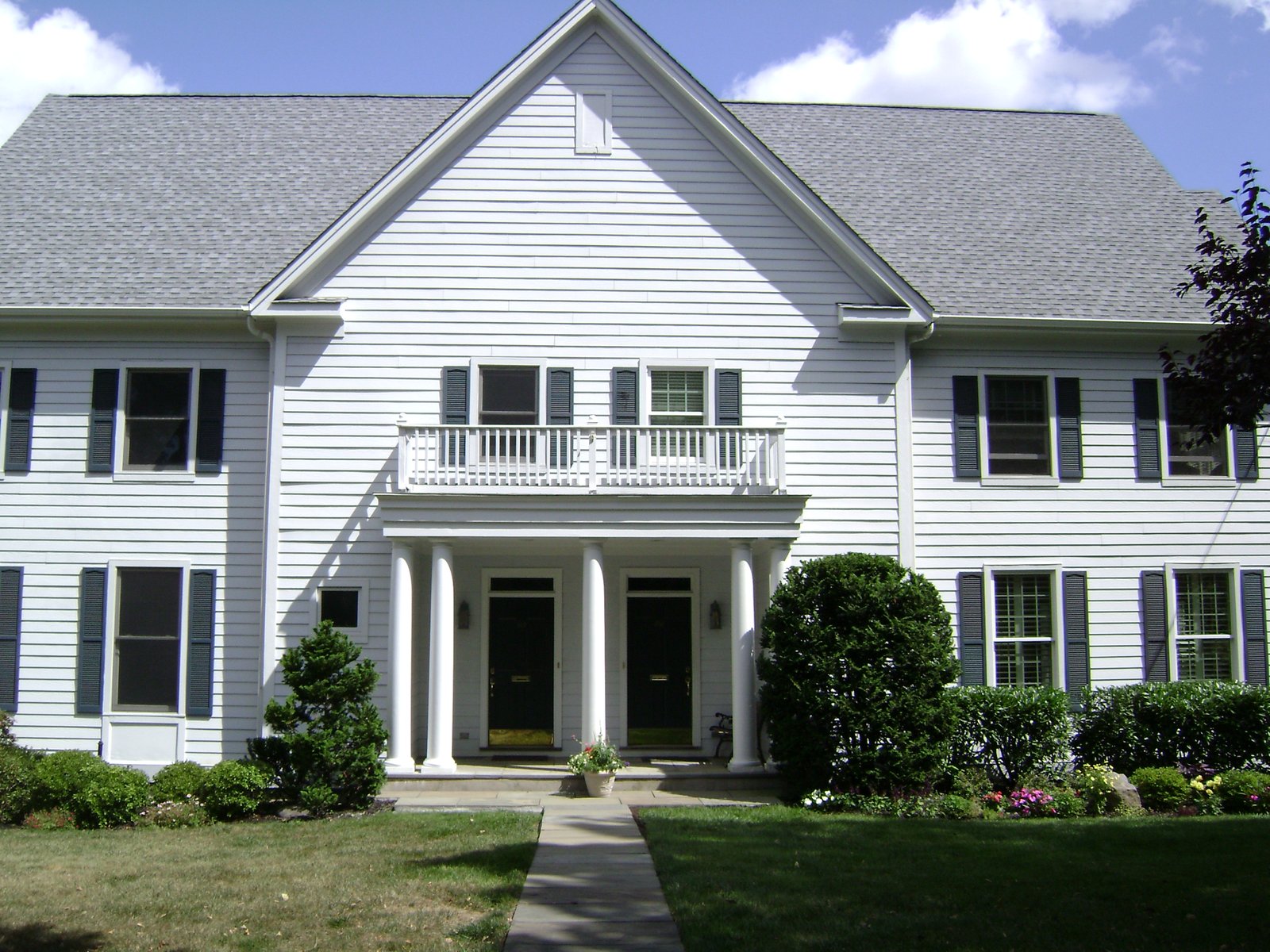
Hero photo: Edgewood House, Pelham Manor, Westchester County, NY, by ALT55-VictorM, via Wikimedia Commons, CC BY-SA 3.0; resized.
A Parent Kept a Life Estate in the Home?
Private, USPAP-compliant date-of-death and retrospective appraisals for life estate and remainder files—deed date, date of death, and alternate valuation date. Westchester, Manhattan, and Fairfield County. Court Approved (NY) · SRA · Licensed in Connecticut. Call (914) 413-3800 or request a quote.
Get a Free Quote