
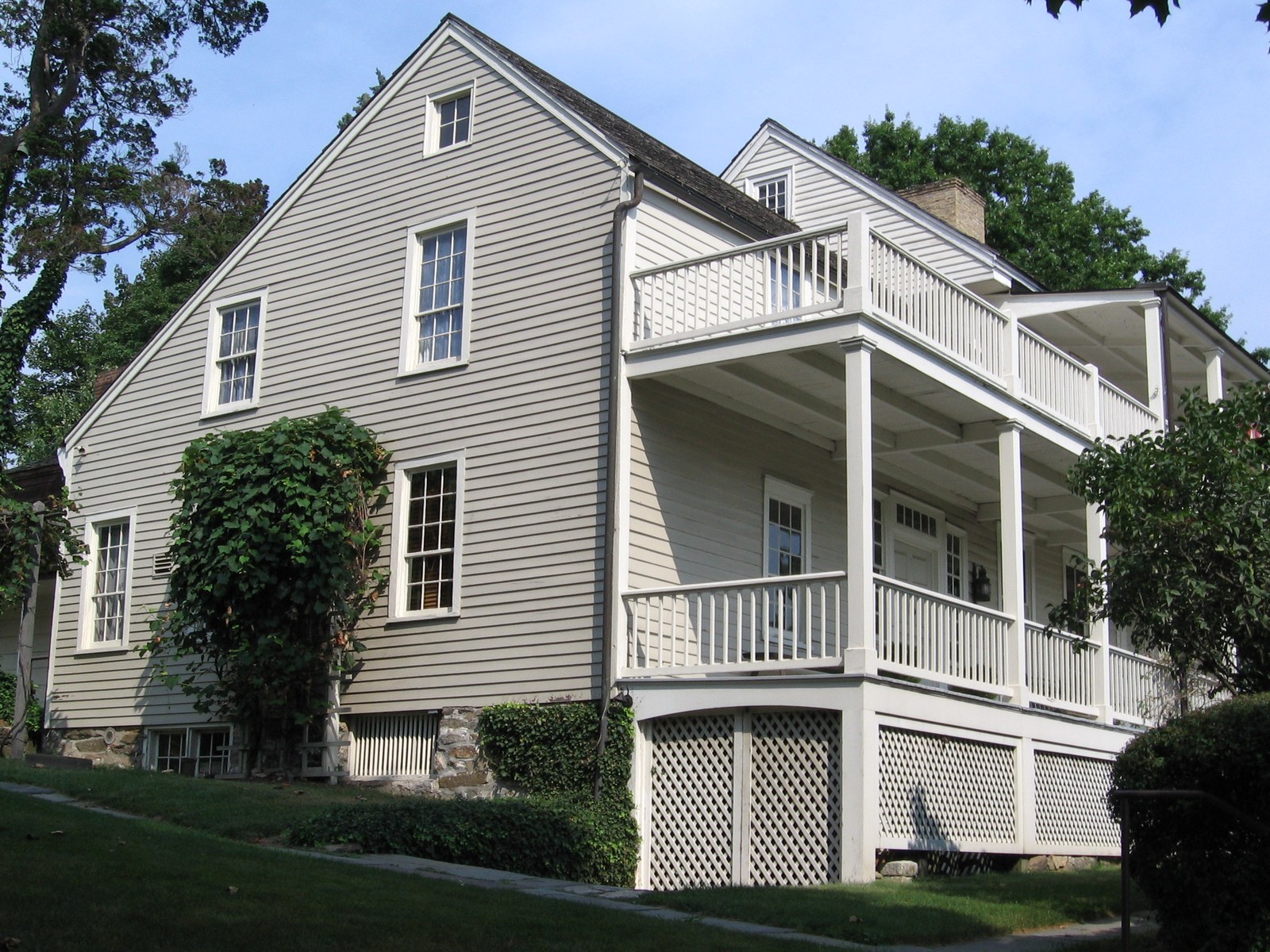
When a Greenwich estate opens — for Connecticut Probate Court inventory, Form 706, stepped-up basis, or heir buyouts in Old Greenwich, Riverside, Cos Cob, central Greenwich, or the backcountry — counsel and executors need a number that survives tax, court, and beneficiary scrutiny. A Zillow screenshot, a listing agent’s CMA, or a leftover refinance appraisal rarely does. What estate counsel typically order is a private, USPAP-compliant appraisal scoped for estate use: an independent market-value opinion with a stated effective date (often the date of death), intended users, and transparent comparable selection grounded in closed sales, inventory, DOM, and sale-to-list evidence.
This briefing is for attorneys, executors, and trustees handling Greenwich probate and estate-tax valuations. It covers why a certified private appraisal is the right tool, date-of-death versus current versus alternate valuation date (AVD), Form 706 and stepped-up basis use cases, how Greenwich pocket comps actually work, engagement-letter terms that prevent later fights, and CT licensing language that stays accurate. Madison & Park is Licensed in Connecticut, SRA-designated, with extensive USPAP estate and retrospective experience across Greenwich and Fairfield County, plus Westchester and Manhattan. (New York Court Approved applies to NY practice only — never as a Connecticut claim.)
A Greenwich estate appraisal answers a practical question: what would a willing buyer pay a willing seller for this residential interest under market conditions as of the agreed effective date — usually the date of death — so counsel can inventory the estate, report fair market value, and set basis with a defensible paper trail.
Why Greenwich Probate Counsel Order a Private USPAP Appraisal
Probate and estate-tax disputes stall when the file rests on the wrong product. Greenwich counsel who want a defensible FMV baseline usually reject shortcuts for the same reasons they do in divorce and gift work:
- CMAs bracket a listing price for marketing. They are not independent appraisal opinions with USPAP certifications and intended-user statements counsel can attach to a Form 706 schedule or Probate Court inventory.
- AVMs do not inspect condition, do not reconstruct market conditions as of a past date of death, and do not document extraordinary assumptions common when the house has sat vacant or been staged for sale after death.
- Lender appraisals are written for underwriting under GSE or investor guidelines, often with a lending effective date and intended users limited to the lender/client — not the executor, counsel, or IRS.
Reusing a refinance appraisal for date-of-death value is a frequent source of dispute when the IRS, opposing beneficiaries, or Probate Court notice the wrong intended use, missing retrospective analysis, or a date that does not match the date of death. For broader private-vs-lender framing, see our Insights on private vs lender appraisals for estate and divorce. Service context: estate appraisal, date-of-death appraisal, and Greenwich estate appraisal.
Date of Death vs Current vs AVD — and Dual Dates
Most Greenwich estate engagements require value as of the date of death, not “today’s” market. That is a retrospective assignment: the appraiser reconstructs market conditions, inventory, and closed sales as of that date, even though the inspection often occurs months later. Current value is a different opinion — useful for a near-term sale, heir buyout, or refinance — but it is not a substitute for Form 706 FMV or stepped-up basis when the tax effective date is the date of death.
Counsel should decide early whether the engagement calls for:
- Date-of-death value — retrospective USPAP opinion for inventory, Form 706, and stepped-up basis.
- Current market value — for listing strategy, heir buyout, or near-term disposition.
- Alternate valuation date (AVD) — when the estate elects AVD under IRC §2032 and needs value six months after death (or disposition date if earlier). Deep dive: alternate valuation date appraisals.
- Dual dates — when counsel need both date-of-death and current (or AVD) figures — two opinions, clearly labeled, with matched scopes.
Mixing a current CMA with a date-of-death tax schedule is a common dispute trigger. Align the effective date in the engagement letter first; the Form 706 and basis worksheets follow.
Related Fairfield County framing: Fairfield County estate & probate appraisals. Cross-border Westchester estates use the same discipline with Surrogate’s Court language on the NY side — see Westchester estate & date-of-death appraisals. This guide is educational — not tax or legal advice.
Form 706, Stepped-Up Basis & CT Probate Court Inventory
Greenwich estates use private appraisals for several overlapping legal and tax jobs. The report should name the intended use so the opinion plugs into the right schedule:
- Form 706 / estate tax — fair market value of residential real property as of the date of death (or AVD).
- Stepped-up basis — heirs and fiduciaries often need a defensible date-of-death FMV to reset basis for a later sale; capital-gains planning then ties to that figure. Service page: capital gains appraisal.
- Connecticut Probate Court / fiduciary accounting — inventory and accounting often require an independent value for the residential asset, especially when heirs disagree or the property will be distributed in kind. Connecticut uses Probate Courts — not Surrogate’s Court (that is the New York term).
- Heir buyouts and partition — when one beneficiary keeps the house, counsel convert appraised FMV into equity after liens — similar buyout math to divorce, but with estate intended use.
Attorney intake and referral context: For Attorneys. County-level companion: Fairfield County estate & probate.
Greenwich Comps Discipline: Pockets, Not County Medians
Countywide Fairfield medians are context only. A defensible Greenwich estate valuation selects comps inside the right competitive set — not “average Fairfield” or a blended town-wide average that ignores pocket. Location splits that matter include:
- Old Greenwich & Riverside — waterfront vs inland tiers, lot patterns, and sale velocity differ enough that treating them as one pool understates or overstates FMV. Deep dive: appraising homes in Old Greenwich & Riverside.
- Cos Cob — its own competitive set for many mid- and upper-tier fee-simple homes; Cos Cob closed sales are not automatic substitutes for Riverside waterfront or backcountry acreage.
- Central Greenwich — in-town and near-town stock with different lot sizes, renovation cycles, and buyer pools than shoreline or backcountry.
- Backcountry acreage — larger lots, different price bands, and thinner sale volume; comps must explain lot and improvement quality rather than borrow shoreline or in-town medians.
- Waterfront vs inland — shoreline proximity and water access (or lack of it) are primary adjustments; inland comps rarely prove waterfront FMV without a clear, supported market adjustment.
Market-strength language in the report should stay on measurable indicators — prices, inventory, DOM, sale-to-list, and volume — never schools, crime, “quiet/safe neighborhood,” walkability, or demographic characterizations. Strength or softness is described only through those transaction metrics as of the effective date.
Do not treat Greenwich as one market. Name the pocket, the competitive set, and the closed-sale evidence as of the effective date.
Engagement-Letter Checklist for CT Estate Counsel
Clear scoping prevents most estate-appraisal fights before they start. At minimum, the engagement letter (or appraisal order) for a Greenwich estate matter should specify:
- Effective date — date of death, alternate valuation date, current date, or dual dates.
- Property identification — address, municipality (Greenwich), tax parcel ID, and ownership type (fee-simple, condo, co-op shares).
- Intended use — Form 706 / estate tax, stepped-up basis, Probate Court inventory / fiduciary accounting, heir buyout, or litigation support.
- Intended users — named counsel, executor/trustee, and whether the report may be shared with the IRS, Probate Court, co-counsel, or beneficiaries.
- Property access & timeline — interior/exterior inspection window; keys/estate agent coordination; contents/vacancy; draft review before tax or court deadlines.
- Hypothetical conditions / extraordinary assumptions — e.g., condition as of date of death; post-death renovations ignored or analyzed; vacant vs. occupied; personal property excluded.
- Competitive set / pocket — Old Greenwich, Riverside, Cos Cob, central Greenwich, backcountry, or waterfront vs inland as applicable.
- Fee, retainer, and payment responsibility — estate, counsel escrow, or named fiduciary; turnaround when Probate or tax deadlines are tight.
Greenwich Estate Engagement — Quick Insert Language
- Effective date of value: [date of death / AVD / current / dual]
- Intended use: Form 706 FMV / stepped-up basis / CT Probate Court inventory / heir buyout in [estate caption]
- Intended users: estate counsel, executor/trustee [named]; report may be provided to IRS / Probate Court as needed
- Interest appraised: fee-simple residential / condo / co-op shares & proprietary lease
- Location/competitive set: [Old Greenwich / Riverside / Cos Cob / central Greenwich / backcountry; waterfront vs inland]
- Assumptions: condition and improvements as of effective date unless otherwise stated; personal property excluded
- Access & timeline: inspection by [date]; draft by [date]; filing deadline noted
- Retainer and payment: [estate / escrow] responsible
Counsel who treat the engagement letter as a checklist — not boilerplate — get reports that plug directly into Form 706 schedules, basis worksheets, and Probate Court inventory.
How Madison & Park Supports Greenwich Estate Work
Madison & Park Appraisal provides private, attorney-friendly residential appraisals for estate, probate, and date-of-death assignments across Greenwich and Fairfield County, Westchester County, and Manhattan. Dave Lister, SRA, is a Certified Residential Appraiser — Licensed in Connecticut for CT matters, with USPAP date-of-death and retrospective experience — including Form 706 support, stepped-up basis opinions, Probate Court inventory valuations, and dual-date engagements.
For Connecticut estate and probate work, the accurate CT marketing line is Licensed in Connecticut · SRA · USPAP/date-of-death/retrospective experience. Do not use “Court Approved” for Connecticut — that designation applies to New York practice only. When counsel handle cross-border estates (e.g., a Greenwich decedent with a Westchester or Manhattan asset), NY Court Approved language may appear on NY-scoped reports, but CT properties stay on the Licensed in Connecticut · SRA · USPAP frame.
Typical Greenwich workflows include single-party estate engagements, date-of-death retrospectives months after death, AVD opinions, and reports scoped for tax counsel or Probate filing. For a Greenwich estate or date-of-death appraisal, call (914) 413-3800 or use our contact form. Start with Greenwich estate appraisal, estate appraisal, date-of-death appraisal, or For Attorneys.
Final Thoughts
Greenwich estate valuations succeed when counsel and executors start from a shared, defensible market value as of the right effective date — not from competing CMAs, AVMs, or a countywide average. A private USPAP appraisal names the date of death (or AVD/current), intended users, and intended use; selects comps inside the right Old Greenwich, Riverside, Cos Cob, central Greenwich, or backcountry competitive set using price, inventory, DOM, sale-to-list, and volume evidence; documents retrospective market conditions; and gives fiduciaries a number they can file, report, and defend before Probate Court and the IRS. Align the question in the engagement letter first; the inventory, Form 706, and basis math follow.
Need a Greenwich Estate or Date-of-Death Appraisal?
Private, USPAP-compliant appraisals for probate, Form 706, stepped-up basis, and inventory — Old Greenwich, Riverside, Cos Cob, backcountry, and central Greenwich. Licensed in Connecticut · SRA. Call (914) 413-3800 or request a quote.
Get a Free Quote