
Most appraisals in Fairfield County are ordered by lenders. The ones that matter most to attorneys, executors, CPAs, and wealth managers are not. A private appraisal is ordered by the client or counsel for a legal, tax, or planning decision: an estate filing, a divorce settlement, a lifetime gift, a trust funding, or an assessment appeal. The report has to answer a specific question, as of a specific date, in a form another professional can rely on.
This guide covers the private assignments we prepare across southern Fairfield County, from Greenwich and Stamford to Darien and New Canaan: what each one is for, how the county’s sub-markets change comparable-sale selection, what an attorney-ready report contains, and what to send when you order. Nothing here is legal or tax advice; filing positions and strategy belong with your attorney and CPA. Madison & Park is Licensed in Connecticut, SRA-designated by the Appraisal Institute, and experienced in USPAP date-of-death and estate work.
A private appraisal is only as useful as the question it answers. Before anyone inspects the house, counsel should settle three things in writing: the purpose, the effective date, and who will rely on the report.
The Private Appraisals Fairfield County Professionals Order
1. Date-of-death and probate appraisals
The most common request from estate counsel. The report values the home as of the date of death and supports the estate’s filings and the heirs’ stepped-up basis. For decedents dying in 2026, the Connecticut estate tax exemption is $15 million; a Connecticut taxable estate at or below that amount owes no Connecticut estate tax, but the estate still files Form CT-706 NT with the Probate Court, generally within six months of death (CT DRS). Larger estates file Form CT-706/709. Our county-level estate briefing, Fairfield County Estate & Probate Appraisals, covers the probate side in detail, and Greenwich estate appraisals covers our date-of-death service.
2. Retrospective appraisals
When the appraisal is ordered months or years after the date that matters, such as a late-discovered estate asset, a gift that was never appraised, or an amended return, the report is retrospective: it values the property as of the past date, using sales and market data available then. See Retrospective Appraisals: Valuing Property at a Past Date.
3. Divorce and equitable distribution
Connecticut divides marital property under General Statutes § 46b-81, and its courts generally value assets as of the date of the dissolution decree, not the date of separation (Sunbury v. Sunbury, 216 Conn. 673 (1990)). In practice, counsel orders a current value early and an update near judgment. One neutral appraiser engaged by both sides is often the most efficient path; see Greenwich divorce appraisals and Divorce Home Appraisals in Connecticut.
4. Gift appraisals (Form 709)
A lifetime transfer of a house or a fractional interest needs a qualified appraisal for the federal gift tax return. Connecticut also has its own gift tax: for taxable gifts made on or after January 1, 2026, the aggregate Connecticut exemption is likewise $15 million (CT DRS). The appraiser values the real estate; discounts for fractional or entity interests are a separate analysis for the tax advisor. See Gift Appraisals for Form 709.
5. QPRT funding and intra-family sales
Placing a residence in a Qualified Personal Residence Trust, or selling a home to a child at fair market value, needs a defensible value as of the transfer date. Both are covered in QPRT Appraisals in NY & CT and Intra-Family Home Sale Appraisals.
6. Property tax appeals
Connecticut towns assess real property at 70% of fair market value as of the most recent revaluation date, and a taxpayer who disagrees files a written appeal with the local Board of Assessment Appeals by February 20 (March 20 if the town receives an extension) under General Statutes § 12-111 (CGS § 12-111). The appraisal must be effective as of the town’s revaluation date, not today, so it is usually a retrospective assignment. Whether and how to appeal is a decision for the owner and counsel.
How Fairfield County Sub-Markets Differ for Comparable Sales
“Fairfield County” is not one market. A good report keeps comparable sales inside the sub-market that a buyer of the subject would actually consider, and explains every adjustment for lot size, zoning, water frontage, housing type, and condition. Market conditions are measured with price trends, inventory, days on market, sale-to-list ratios, and sales volume.
- Greenwich backcountry. North of the Merritt Parkway, multi-acre zoning, long private drives, and custom estate houses produce few sales per year at high price points. Land usability, outbuildings, and site improvements carry as much weight as the house. Comparable sales often have to reach back further in time, with time adjustments supported by market data. See Appraising Backcountry Greenwich Estates.
- Greenwich waterfront. Direct Long Island Sound frontage, harbor frontage, deeded water access, and water views are different products with different price levels. Docks, seawalls, and flood zone status matter. See Appraising Waterfront Estates in Greenwich.
- Old Greenwich and Riverside. Smaller lots closer to the shoreline and the train line, a deeper pool of sales, and a wide range from original-condition colonials to new construction. Condition and effective age often drive the largest adjustments. See Appraising Old Greenwich & Riverside.
- Stamford. The county’s broadest housing mix: downtown and Harbor Point condominium towers, shoreline single-family homes on Shippan Point and around the coves, and larger-lot houses in North Stamford. Condo assignments need condo comparables from competing buildings, with common charges reported. See Appraising Homes in Stamford, CT.
- Darien. Most of the town is single-family housing on lots zoned from one-fifth of an acre to two acres, and the shoreline sorts into distinct tiers: direct waterfront, water-view and deeded-access homes south of the Post Road and I-95, then inland streets, with FEMA flood zone status separating otherwise similar houses. See Appraising Homes in Darien, CT.
- New Canaan. An inland, larger-lot market with multi-acre zoning across much of the town, a stock of mid-century modern houses that trades as its own niche, and closer-in, smaller-lot properties near the town center. Comparable selection has to match lot size and architectural style, not just gross living area.
Crossing town lines for comparables is sometimes necessary for unusual properties, but the report should say why and show the market-level adjustment. A Riverside colonial and a North Stamford colonial of the same size are not the same house.
What an Attorney-Ready Report Includes
- Client, intended users, and intended use, stated plainly, so the report can be relied on by estate counsel, the CPA, the other side in a divorce, or a probate court as appropriate.
- The effective date, whether date of death, gift date, current date, revaluation date, or more than one, with the report date shown separately.
- Scope of work: interior and exterior inspection, or exterior-only or desktop when access is not possible, and how that limits the analysis.
- Extraordinary assumptions and hypothetical conditions, clearly labeled; for example, condition on a past date taken from listing photos, or value as if a pending renovation were not complete.
- Comparable sales and adjustments, explained in language a judge, IRS reviewer, or opposing counsel can follow, with a market conditions analysis.
- Exhibits: photos, sketch with gross living area, location and comparable maps, flood map, and the deed or legal description where relevant.
- USPAP certification signed by the appraiser, with the SRA designation and Connecticut license shown.
How to Order and What to Send
- The property address and the purpose (estate, divorce, gift, QPRT, tax appeal)
- The effective date or dates counsel wants valued
- The client and every intended user of the report
- Deed, survey, any prior appraisal, and permits or certificates of occupancy for recent work
- For a past date: photos, listing history, and a list of changes to the house since that date
- For condos: the declaration or offering documents, common charges, and any special assessments
- For a tax appeal: the assessor’s card and the town’s revaluation notice
- One contact person for access and scheduling
Start with the contact form or call (914) 413-3800. We confirm scope, effective dates, and intended users in the engagement letter before we inspect.
Frequently Asked Questions
Do you appraise outside Greenwich, in Stamford, Darien and New Canaan?
Yes. Madison & Park prepares private appraisals across southern Fairfield County, including Greenwich, Old Greenwich, Riverside, Cos Cob, Stamford, Darien and New Canaan. Dave Lister, SRA, is Licensed in Connecticut and prepares every report under USPAP.
What date does a Connecticut divorce appraisal use?
Connecticut courts generally value marital property as of the date the dissolution decree is entered, under General Statutes § 46b-81 and Sunbury v. Sunbury. Because that date is often months away when the report is ordered, counsel usually orders a current value and updates it closer to judgment. The effective date is counsel's call, and the appraiser reports value as of the date given.
Is an estate under the Connecticut exemption still worth a formal date-of-death appraisal?
Usually, yes. For 2026 deaths the Connecticut estate tax exemption is $15 million, so many estates owe no Connecticut estate tax, but a nontaxable estate still files Form CT-706 NT with the Probate Court, and the date-of-death value also sets the heirs' income tax basis. A USPAP report supports both the filing and any later sale.
Can you value a Fairfield County home as of a date years ago?
Yes. A retrospective appraisal values the property as of a past effective date, such as a date of death, a gift date, or a separation date, using comparable sales and market data available as of that date. Condition on the effective date is documented from photos, listings, permits, and the owner's records, and any assumptions are stated in the report.
What does a private appraisal cost and how long does it take?
Fees and turnaround depend on the property, the number of effective dates, and the assignment. Call (914) 413-3800 or request a quote with the address, purpose, and effective date, and we will confirm scope, fee, and timing before we start.
How Madison & Park Helps
We prepare private, USPAP-compliant appraisals for attorneys, executors, trustees, CPAs, and wealth managers across Greenwich and Fairfield County, as well as Westchester County and Manhattan. Dave Lister, SRA, is Licensed in Connecticut and has extensive date-of-death and estate appraisal experience. Every report states its purpose, effective date, and assumptions so the professionals relying on it do not have to guess.
Final Thoughts
In Fairfield County, the right number depends on the right question and the right comparables. Define the purpose and effective date with counsel, choose an appraiser who knows how Greenwich, Stamford, Darien, and New Canaan actually trade, and insist on a report that shows its work.
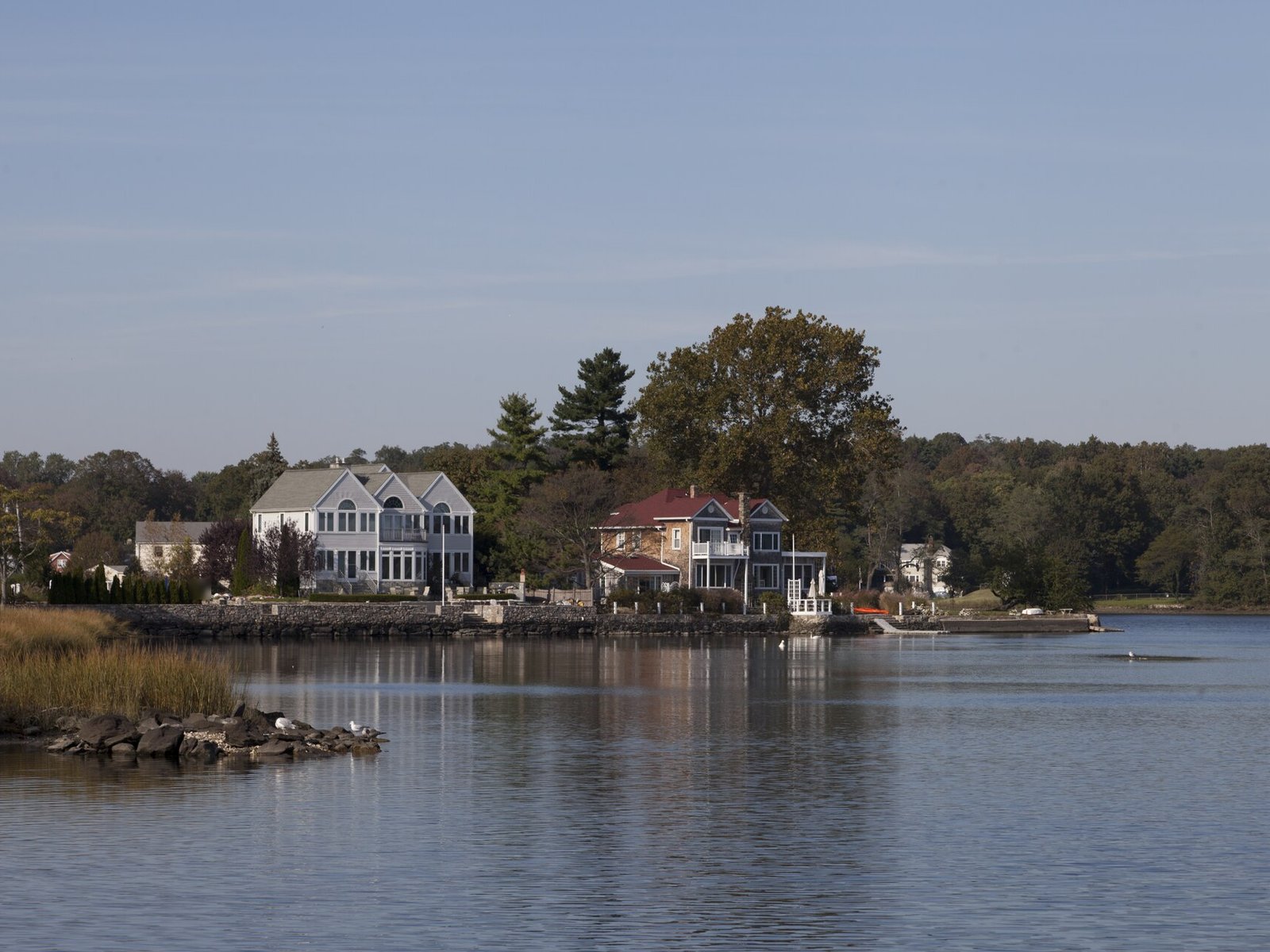
Hero photo: Holly Pond, Stamford, Connecticut, by Carol M. Highsmith (The George F. Landegger Collection of Connecticut Photographs in Carol M. Highsmith’s America, Library of Congress), via Wikimedia Commons, public domain; cropped and resized.
Need a Private Appraisal in Fairfield County?
Date-of-death, retrospective, divorce, gift, QPRT, and tax appeal appraisals prepared under USPAP for attorneys, executors, and CPAs in Greenwich, Stamford, Darien, and New Canaan. Licensed in Connecticut · SRA. Call (914) 413-3800 or request a quote.
Get a Free Quote