
Death does not always arrive between listings. In Westchester, Manhattan, and Greenwich, estates regularly open with a house, condo, or co-op that already had an accepted purchase contract—and a closing that had not yet happened. Executors, estate attorneys, and CPAs then face a practical question: is the contract price the date-of-death value, or is it only one piece of evidence?
This briefing explains how a USPAP retrospective appraisal treats a pending sale as of the date of death, what contingencies and market movement can change the analysis, how the number is used on inventory and estate-tax returns, and what co-op and condo friction adds in New York City and the suburbs. Madison & Park is New York Court Approved for NY practice, SRA-designated, and Licensed in Connecticut, with extensive USPAP experience on date-of-death and retrospective estate assignments.
An accepted contract is often the strongest single data point in a date-of-death appraisal—but it is still a data point. Contingencies, credits, financing risk, and what the market was doing between contract and death can all move the credible value away from the face price.
Why the Contract Price Is Evidence, Not Automatic Market Value
Fair market value for estate purposes is generally the price a willing buyer and willing seller would agree to on the valuation date, neither being under compulsion and both having reasonable knowledge of relevant facts. An arms-length purchase contract that was accepted before death is powerful evidence of what the market was willing to pay. It is not, by itself, a completed sale, and it is not a substitute for analysis.
Three things keep the contract from being automatic:
- It may still be contingent. Financing, appraisal, inspection, attorney review, board approval, and sale-of-other-home clauses can leave material risk on the table as of the death date.
- The property may have changed, or the deal terms may have. Inspection credits, seller concessions, repairs agreed after contract, or a price renegotiation between contract and death all matter.
- The market may have moved. Between the contract date and the date of death, local price, inventory, days-on-market, and sale-to-list patterns can support a higher or lower value than the face price alone suggests.
USPAP requires the appraiser to analyze any current agreement of sale, option, or listing of the subject when such information is available. For a retrospective date-of-death assignment, that usually means reading the contract, amendments, and related correspondence that were known or knowable as of the death date, then weighing them with contemporaneous comps. Background: retrospective appraisals and date-of-death appraisals.
Contingencies, Credits, Financing Risk & Market Movement
Counsel and the CPA often send the full contract package with the engagement. What the appraiser looks for, in plain terms:
- Financing and appraisal contingencies. A cash deal that has cleared attorney review carries different risk than a financed purchase still waiting on underwriting. A low lender appraisal can reopen price; a pending sale is not immune to that risk until contingencies are waived or expired.
- Inspection and repair credits. A $25,000 credit or a punch-list of seller repairs changes the economics of the deal. The appraisal has to understand whether those terms were in place on the date of death and how the market would treat them.
- Time between contract and death. A contract signed three days before death, with all contingencies waived, is different from a contract signed four months earlier in a market where prices, inventory, or sale-to-list ratios have shifted. The report should say what the local data showed around the death date.
- Buyer and seller motivation. Estate sales, divorce-driven listings, and relocating sellers can affect how aggressive a contract looks relative to the comps. Motivation alone does not dictate value, but it belongs in the analysis when it is known.
None of this is a reason to ignore the contract. It is a reason not to paste the contract price into the estate inventory without a supported opinion of market value as of the death date.
How USPAP Retrospective Analysis Uses the Contract
In a properly scoped date-of-death appraisal, the pending contract is treated as subject-sale evidence alongside the comparable sales and listings that were available as of the effective date. Typical steps include:
- Confirming the contract date, acceptance date, price, deposits, contingencies, credits, and any amendments in effect on the date of death.
- Selecting comps from the period around the death date—not only from after closing—and explaining time adjustments with price, inventory, DOM, and sale-to-list evidence rather than assumption.
- Reconciling the contract against those comps. If the contract sits well above or below the adjusted comps, the report explains why (condition, concessions, thin inventory, board risk, or a changing market).
- Stating clearly whether the opinion of value equals the contract price, or differs from it, and why.
The appraisal cannot be conditioned on matching the contract, the inventory schedule, or a tax target. A credible, independent value is what holds up for Form 706 review, New York ET-706, Connecticut CT-706, and later basis questions. See IRS estate tax real estate appraisals and qualified appraisers for IRS estate reporting.
If the contract and the comps disagree, the report has to choose—and explain the choice. “We used the contract because it was convenient” is not an analysis an estate attorney or a reviewer can defend.
Inventory, Form 706, ET-706 & CT-706
The date-of-death real estate value shows up in several places executors care about:
- Federal Form 706. When a federal estate tax return is filed, Schedule A (real estate) and related schedules need a supportable value as of the date of death (or alternate valuation date, if elected). A pending contract is relevant documentation for the file.
- New York Form ET-706. New York resident estates near or above the state’s exclusion often need a well-supported home value even when no federal return is due. The New York cliff makes small valuation differences expensive; see the New York estate tax cliff in 2026.
- Connecticut Form CT-706 / CT-706 NT. Connecticut estates use the date-of-death value for filing with the Probate Court or DRS as applicable. Greenwich and Fairfield County homes under contract at death raise the same contract-vs-comps questions as Westchester.
- Probate inventory. Surrogate’s Court (NY) and Probate Court (CT) inventories commonly list the residence at date-of-death value. A pending sale that later closes at a different price does not automatically rewrite the inventory date.
Whether an alternate valuation date is available or useful is a legal and tax call for counsel. If an alternate date is elected, the appraisal scope has to match. See alternate valuation date appraisals, estate appraisal services, and probate appraisals.
Stepped-Up Basis When the Sale Closes After Death
When the sale closes after death, two timelines collide. The estate generally needs a date-of-death value for inventory and tax filings. The heirs generally take a stepped-up (or stepped-down) basis tied to fair market value at death. The later closing price is useful information, but it is not automatically the date-of-death number—especially if the market moved, credits changed, or contingencies were resolved after death.
A clean appraisal file helps both sides of that conversation: counsel can explain the estate-tax reporting, and the CPA can document basis for the heirs when they report the sale. For more on basis issues, see stepped-up basis and inherited property.
Co-op Board Approval & Condo Issues
Manhattan and some Westchester and Fairfield buildings add friction a single-family contract does not:
- Co-op board approval. If board approval was still pending on the date of death, the contract carried approval risk. Buildings with thin recent sales, high flip taxes, or strict financial requirements can support a different reconciliation than a condo with a signed contract and cleared board package. See Manhattan co-op estate appraisals.
- Condo and common charges. Assessments, pending special assessments, and building litigation known as of the death date can affect both the contract’s durability and the comps. See Manhattan condo estate appraisals.
- Proprietary lease and stock vs. fee interest. The appraisal has to value the interest the decedent actually owned—co-op shares and lease, condo unit, or fee-simple house—so the inventory matches what counsel is reporting.
NY & CT Practice Notes
For New York assignments, Madison & Park is Court Approved for NY practice and SRA-designated, with extensive USPAP date-of-death experience across Westchester and Manhattan. For Connecticut assignments in Greenwich and Fairfield County, Madison & Park provides date-of-death appraisals as Licensed in Connecticut · SRA · USPAP date-of-death experience. Court Approved applies to New York only—never to Connecticut.
- Westchester County: Pending sales on Colonials, ranches, and village homes often sit close to thin local comps; the contract can dominate when contingencies are cleared, and lose weight when inspection credits or financing risk remain. Related: Westchester date-of-death appraisals.
- Manhattan: Co-op and condo contracts need the board and building context in the file before anyone treats the face price as FMV. Related: Manhattan estate appraisals.
- Greenwich / Fairfield County, CT: Waterfront and backcountry tiers can have sparse comps; a pending contract is especially important evidence, but still reconciled to what was knowable on the death date. Related: Greenwich date-of-death appraisals and Fairfield County estate appraisals.
Engagement & Document Checklist
Under Contract at Death: What to Send
- Fully signed purchase contract, riders, and every amendment in effect on the date of death
- Deposit history and any escrow correspondence available as of that date
- Status of contingencies: financing, appraisal, inspection, attorney review, board approval, sale of other home
- Inspection reports, repair credits, and seller concession terms known before death
- Listing history: original list price, price changes, DOM, and prior failed contracts if any
- Deed or co-op stock/proprietary lease; condo declaration excerpt if relevant
- For co-ops/condos: maintenance or common charges, flip tax, assessments, and board-approval status as of death
- Photos or notes on condition before cleanout, staging, or post-death repairs
- Intended use: probate inventory, Form 706, ET-706, CT-706 / CT-706 NT, and/or basis support
- Effective date (date of death) and whether counsel may later need an alternate valuation date
For intake details, see date-of-death appraisals, estate appraisal services, probate appraisals, and For Attorneys.
Frequently Asked Questions
Is the accepted contract price automatically the date-of-death value?
No. An accepted purchase contract is strong market evidence, but it is not automatically fair market value as of the date of death. Contingencies, financing risk, inspection credits, unfinished board approval, and market movement between contract and death can all support a different number. A USPAP retrospective appraisal analyzes the contract alongside comps as of the death date.
What if the sale closes after the date of death?
Closing after death does not erase the need for a date-of-death value for inventory and estate-tax filings. The post-death closing price may also inform stepped-up basis analysis for the heirs, but counsel and the CPA decide how the basis is reported. The appraisal’s job is a credible market value as of the death date.
Do co-op board approval issues change date-of-death value?
They can. If board approval was still pending on the date of death, or if the building’s approval history was thin, the contract may carry more risk than a condo or fee-simple sale. The appraiser weighs that risk with the contract terms and building comps known as of the death date.
Which forms use the date-of-death real estate value?
Federal Form 706 (when filed), New York Form ET-706, and Connecticut Form CT-706 / CT-706 NT commonly rely on the date-of-death real estate value for inventory and tax purposes. Confirm current filing thresholds and requirements with the estate’s attorney or CPA.
How Madison & Park Helps
Madison & Park Appraisal prepares private, attorney-friendly date-of-death and retrospective residential appraisals across Westchester County, Manhattan, and licensed Connecticut coverage. Dave Lister, SRA, is a Certified Residential Appraiser and New York Court Approved for NY matters. When a home was under contract at death, we read the contract package, document contingency and credit status as of the effective date, and reconcile the pending sale with comps in plain language an estate attorney, CPA, or reviewer can follow.
To scope a date-of-death appraisal for a property under contract at death, call (914) 413-3800 or use our contact form.
Final Thoughts
A pending purchase contract is often the best evidence an estate has—and still not a rubber stamp. Order the retrospective appraisal early, send the full contract file, document condition before anything changes after death, and let counsel build the inventory and tax position on a value that reconciles the contract with the market as of the date of death.
This article is general information about appraisal practice, not legal or tax advice. Filing thresholds, form requirements, and basis rules change; confirm current treatment with the estate’s attorney or CPA. Sources: USPAP Standards Rules on analyzing agreements of sale; IRS Form 706 instructions; New York State Department of Taxation and Finance estate tax information (ET-706); Connecticut Department of Revenue Services / Probate Court estate tax filing information (CT-706 / CT-706 NT).
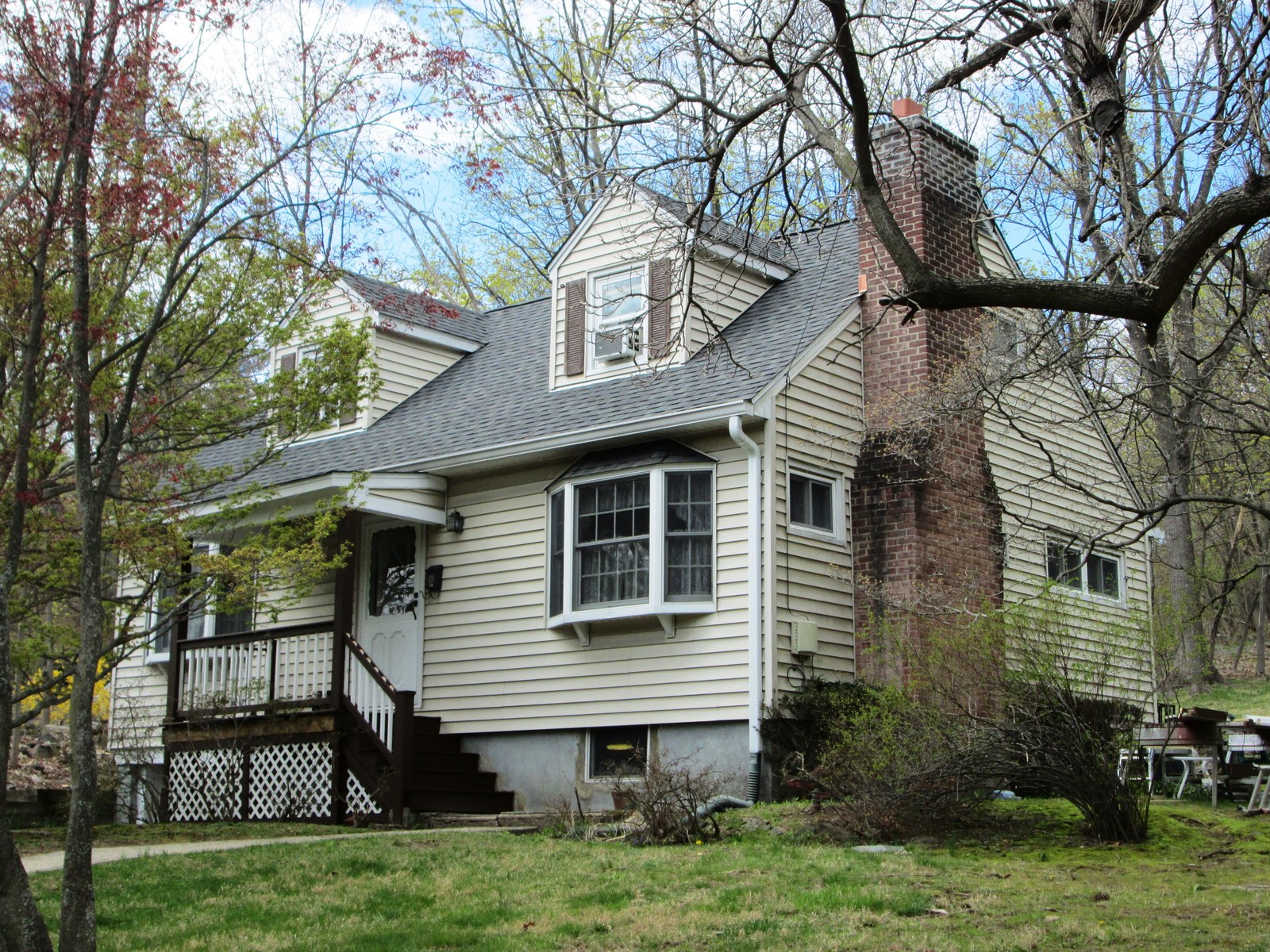
Hero photo: 20th-century Cape Cod-style house, Westchester County, NY, by Beyond My Ken, via Wikimedia Commons, CC BY-SA 4.0; cropped and resized.
Home Under Contract at the Date of Death?
Private, USPAP-compliant retrospective appraisals that reconcile the pending contract with date-of-death comps. Westchester, Manhattan, and Fairfield County. Court Approved (NY) · SRA · Licensed in Connecticut. Call (914) 413-3800 or request a quote.
Get a Free Quote