
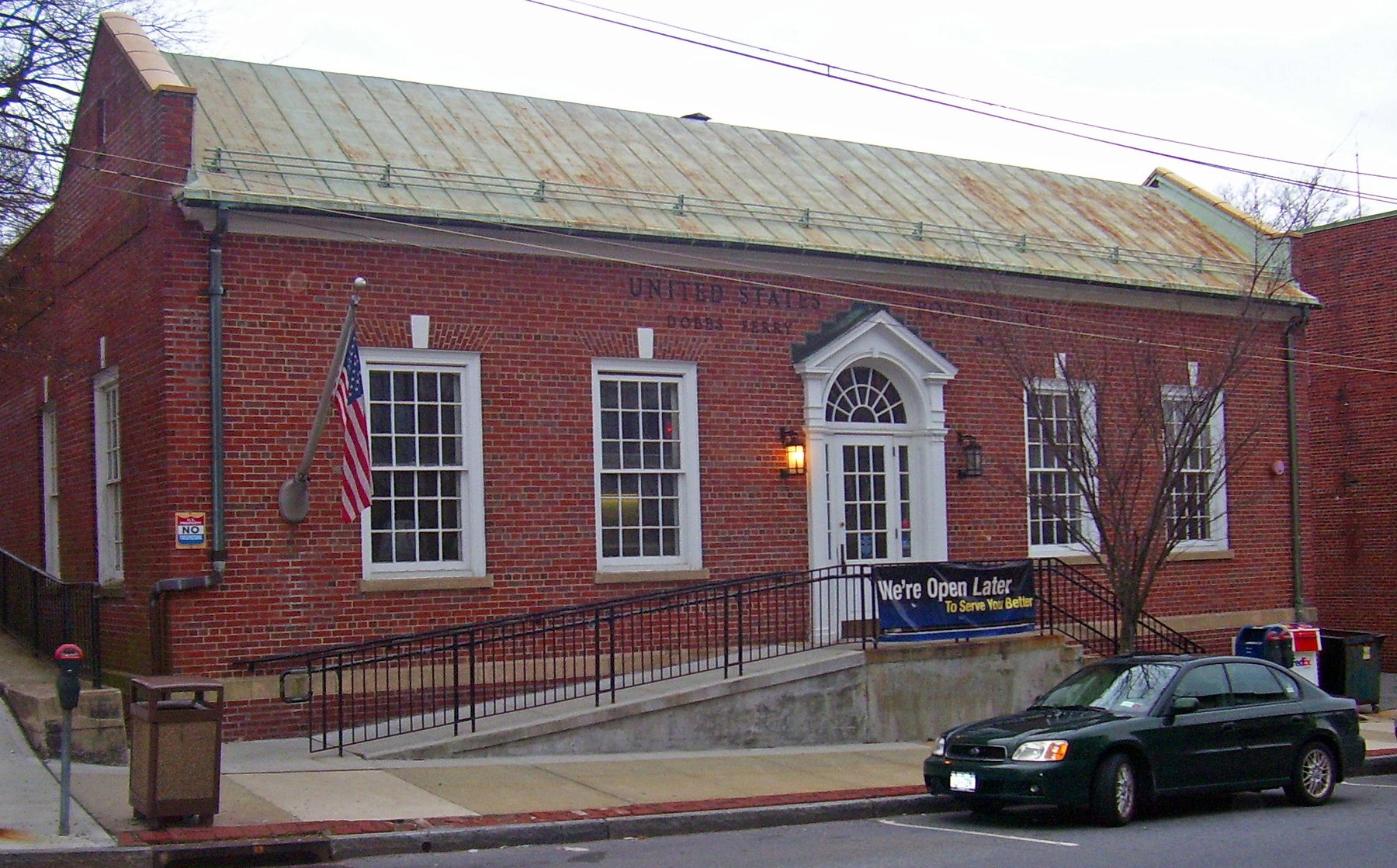
Dobbs Ferry is an incorporated village in the Town of Greenburgh, southern Westchester County — one of the Hudson River “Rivertowns” strung along the Metro-North Hudson Line with Hastings-on-Hudson, Irvington, Tarrytown, and Sleepy Hollow. Postal and marketing labels say “Dobbs Ferry,” but tax parcel, zoning, and assessment sit under Village of Dobbs Ferry / Town of Greenburgh jurisdiction. Residential value is shaped by housing type, lot and grade utility, condition and quality, Hudson proximity or view exposure where supported by sales, and how the market segments village-core stock from hillside and inland single-family inventory. Neighboring Hastings, Irvington, Ardsley, and Tarrytown sales are not automatic substitutes. They sit in different village markets with different housing mixes and price bands. County-wide averages are a weak stand-in for property-specific analysis.
For owners, attorneys, and fiduciaries, a reliable Dobbs Ferry appraisal focuses on measurable factors: above-grade living area, condition and quality ratings, garage and outdoor utility, lot geometry and usable land, confirmation of village / Town of Greenburgh context, and recent sales that truly compete with the subject — including whether river-adjacent or view-influenced sales belong in the grid.
Note on market statistics: Publicly scrapeable 2026 median-price, inventory, and DOM figures for Dobbs Ferry could not be verified for this briefing (source pages blocked or incomplete at research time). The analysis below stays with appraisal methodology rather than invented numbers. When counsel or a fiduciary needs current local medians, those should be pulled from MLS closed-sale extracts for the effective date — not from a generic county dashboard.
Housing Stock and Construction Quality
Dobbs Ferry housing stock is not a single market. Appraisers commonly encounter period dwellings near the village commercial core and rail corridor; hillside and river-facing single-family residences on graded lots; inland and upper-village stock with more conventional lot utility; later infill and replacement construction; and limited multi-unit or attached product near the core.
- Village-core and period construction: Older inventory near the commercial streets and Metro-North corridor often retains original massing, mixed room sizes, and renovation histories across several ownership cycles. The market distinguishes full-system modernization from cosmetic work alone.
- Hillside and river-adjacent single-family: Away from flat village streets, housing often sits on graded parcels — colonials, Tudors, contemporary rebuilds, and selectively renovated dwellings. Grade, driveway geometry, usable yard, garage count, and any view premium supported by sales often matter as much as raw square footage.
- Inland / upper-village stock: Farther from the river and core, product can look more like conventional suburban single-family with different lot utility and price bands than core or hillside inventory of similar living area.
- Later infill versus older shells: Newer single-family replacements and thoroughly rebuilt dwellings are a different product type from an older village-core house of similar living area. Quality ratings and remaining economic life drive the sale set.
- Limited multi-unit and attached near the core: Two-unit, small multi-family, or condo/coop inventory near the commercial corridor is a distinct property type from fee-simple single-family stock and requires its own comparable set.
- Mechanical systems and deferred maintenance: HVAC age and type, electrical service, plumbing, roof remaining life, and window performance remain core value drivers when kitchens or baths have been updated but primary systems have not.
- Additions and lower-level space: Added living area contributes fully only when permanent, market-accepted, and properly finished. Below-grade finished space is analyzed separately from above-grade GLA — especially on hillside parcels where “basement” may open to grade on one side.
How Dobbs Ferry Differs from Hastings, Irvington, and Nearby Markets
Listing remarks sometimes treat the Rivertowns as interchangeable. Appraisers do not. Adjacency on a map does not make a closing a default comparable.
- Hastings-on-Hudson: The next Rivertown south — its own village market with its own commercial corridor, housing mix, and sale patterns. A Hastings closing is not a default Dobbs Ferry comparable without location support from data. See our guide on appraising Hastings-on-Hudson.
- Irvington: North along the Hudson corridor, often with different lot and improvement profiles and price bands than typical Dobbs Ferry stock. Cross-village comps need data-backed location adjustments. See appraising homes in Irvington.
- Tarrytown / Sleepy Hollow: Distinct village contexts farther north with different commercial cores, multi-unit inventory, and sale patterns. Proximity along the Hudson Line does not make those sales automatic Dobbs Ferry comps. See Tarrytown and Sleepy Hollow.
- Ardsley / Greenburgh unincorporated: Inland Town of Greenburgh product can share municipal-tax context but often trades in different housing mixes and price bands than village Rivertown stock. Shared “Greenburgh” assessment jurisdiction is not a comps free pass.
- Yonkers / northern Bronx fringe: Different municipalities, housing mixes, and buyer pools. Cross-border comps require strong location support, not highway proximity alone.
Site Factors and External Conditions
- Usable land versus raw acreage: Level, functional lots can outperform larger parcels constrained by slope, easements, wetlands buffers, or limited outdoor function. Lot utility drives value more than acreage alone — a recurring Rivertown theme.
- Slope and topography: River-facing and hillside parcels often include grade change. Steep rear yards, limited buildable envelopes, retaining walls, or driveway constraints are adjusted from local market evidence.
- Hudson proximity and view: Immediate river adjacency or a documented view is not a lifestyle label in the report — it is a location attribute adjusted only when closed sales support a premium (or discount) for that exposure. Partial, seasonal, or obstructed views are not treated the same as full, year-round water exposure.
- Proximity to commercial corridors and rail: Immediate proximity to Dobbs Ferry’s commercial streets or to Metro-North Hudson Line service is described as infrastructure access and is adjusted from local sale evidence when it affects demand. For broader context on rail-corridor pricing discipline, see train proximity and property values in Westchester.
- Parking and outdoor utility: Garage count, driveway geometry (especially on grade), and usable yard area often separate otherwise similar dwellings in the sales comparison grid.
Market Conditions and Comparable Selection
- Compete on utility and property type, not just distance: Style, age/condition, garage count, lot utility, ownership type, and view/exposure class must align with the subject. A village-core period house and a hillside rebuild with river exposure are different products even when both carry a Dobbs Ferry postal address.
- Bracket condition and quality: Strong appraisals use sales that bracket the subject rather than one superior renovation sale or one deferred-maintenance outlier.
- Time and price-band discipline: Recent closed sales remain preferred. Thin inventory in a given quality or view tier may require a wider time window with supported time adjustments — common in Rivertown segments where fewer true peers close in any given quarter.
- Assessment versus market value: Assessed value is not market value. Tax-grievance assignments compare the Village / Town assessment to a current, supportable opinion of market value.
- Strong vs. soft signals (price and volume only): When local closed-sale extracts show rising sale prices, short days on market, sale-to-list at or above asking, and thin active inventory, that is a stronger price environment for that product type. Longer DOM, growing inventory, and sale-to-list below asking point the other way. Those are market-condition observations — not statements about who lives in the village.
In Dobbs Ferry, the best appraisals start with competitive sale selection inside the right product type and village context. If the comps do not attract the same purchaser in terms of size, condition, property type, site utility, and view/exposure class — and if they are drawn from Hastings, Irvington, or Tarrytown without location support — the math will not salvage the analysis.
What Helps an Appraisal in Dobbs Ferry
- Written list of improvements with approximate dates and costs
- Permit history for additions, kitchens, baths, and major systems
- Clear access to attic, basement (including walk-out grade), garage, and exterior grades
- Survey or plot plan when lot lines, easements, slope, retaining walls, or setbacks are in question
- Confirmation of Village of Dobbs Ferry / Town of Greenburgh jurisdiction, tax lot, and any condominium or HOA documents
- Recent invoices for roof, HVAC, electrical, plumbing, structural, or retaining-wall work
- For view-influenced subjects: photos and a clear description of what is visible year-round versus seasonal
Private-Use Assignments in Dobbs Ferry
Beyond purchase financing, Dobbs Ferry properties frequently appear in private appraisal work — the assignments attorneys and fiduciaries actually order:
- Estate / date-of-death: Retrospective opinions as of a specific effective date for Form 706, probate, or fiduciary accounting — using market evidence knowable as of that date. Rivertown estates often involve hillside or river-adjacent dwellings where view and lot utility must be supported historically, not assumed from today’s listing rhetoric. See our estate / date-of-death and date-of-death appraisal pages, plus Insights on alternate valuation date when counsel is weighing a second effective date.
- Divorce / equitable distribution: Current or retrospective (including date-of-commencement) valuations of the marital residence for counsel and the court. Buyout math needs a defensible private USPAP report — not a CMA, AVM, or stale lender form. See divorce appraisal, marital home buyout appraisals, and date-of-commencement appraisals.
- Tax grievance: Independent market-value opinions to test whether the Village / Town assessment aligns with current market evidence for Dobbs Ferry parcels. See tax grievance.
- Gift / capital gains / private sale: Gift-date or basis-related opinions for Form 709 / Form 8283 context, and private (non-lender) valuations when owners need a certified number outside a purchase-money loan. See private appraisal, capital gains, and gift appraisals for Form 709.
These assignments require the same comps discipline as any residential appraisal — and often tighter effective-date control. Court-approved / Part 36 language applies to New York court work when relevant; it is not a substitute for USPAP scope, intended use, and intended user on a private Rivertown file.
When to Hire a Private Appraiser in Dobbs Ferry
Hire a private certified residential appraiser — not a bank-ordered form alone — when the number must stand up for counsel, a fiduciary, the IRS, or a buyout negotiation. Typical triggers in Dobbs Ferry include:
- An executor or attorney needs a date-of-death or alternate-valuation opinion for a village residence
- Divorce counsel needs a current or commencement-date value of the marital home for equitable distribution or buyout
- Owners dispute an assessment and need an independent market-value opinion
- A gift of real estate needs gift-date fair market value documentation
- A cash or private sale needs a certified opinion outside lender underwriting
Madison & Park Appraisal is based in New Rochelle and regularly covers the Rivertowns — including Dobbs Ferry — for estate, divorce, tax grievance, and other private residential assignments. Reports are USPAP-compliant and written for the stated intended users (often attorneys, CPAs, and fiduciaries).
Final Thoughts
Appraising residential property in Dobbs Ferry is a comps-driven assignment. Accurate value depends on reading housing stock correctly, confirming Village / Town of Greenburgh context, measuring condition and quality with discipline, treating view and grade as data-supported location factors — and selecting sales that truly compete — without importing assumptions from Hastings, Irvington, Tarrytown, or a county-wide average.
Need an Appraisal in Dobbs Ferry?
Whether for estate planning, divorce, tax grievance, or a mortgage transaction, we provide thorough, professional valuation services across the Rivertowns and Westchester.
Get a Free Quote