
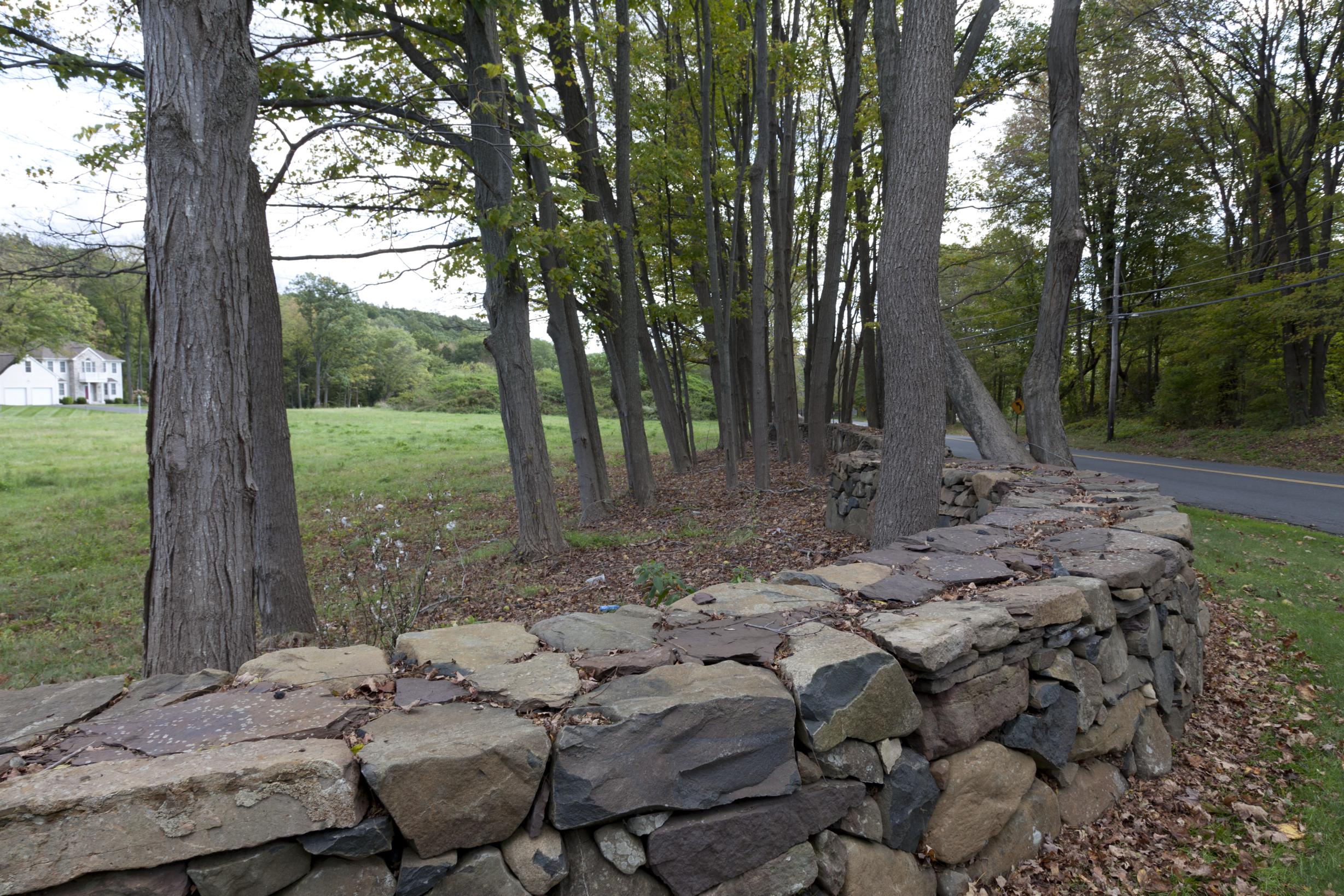
Vacant land looks simple on a tax map — acres, frontage, a blank site. In practice, a vacant land appraisal (or lot valuation) is one of the more technical residential assignments an attorney, executor, or private seller will order. There is no house to measure, no kitchen remodel to debate, and often a thin comparable set. What remains is site utility: zoning, utilities, topography, access, buildable envelope, and what the market will actually pay for those attributes as of a defined effective date.
This briefing is for counsel and parties who need a USPAP-compliant opinion of value for vacant land or a buildable lot — for estate settlement, divorce / equitable distribution, gift tax, or a private sale — across Westchester County, New York and Greenwich / Fairfield County, Connecticut. It is not about adjusting an improved home for land-versus-building allocation; that is a different problem (see our related note on land and improvements adjustment methodology). Madison & Park prepares private land and residential appraisals under Dave Lister, SRA. The firm is licensed in Connecticut; New York Court Approved status applies to New York practice only.
A vacant lot appraisal answers one question: what would a willing buyer pay a willing seller for this site, as of the effective date, given its legal and physical capacity to support a use the market will buy — not what the last house next door sold for.
Why Vacant Land Appraisals Differ From Improved-Home Work
Improved residential appraisals lean on closed sales of similar houses. Vacant land work leans on closed sales of similar sites — or, when land sales are scarce, on extracted land values and careful analysis of what builders and end users are paying for buildable capacity. Common differences:
- Comparable unit of comparison: Price per square foot of land, price per acre, or price per buildable unit / FAR (floor area ratio) may matter more than a simple “sale price.”
- Highest and best use is front-and-center: On improved homes it is often assumed; on vacant land it drives the entire analysis.
- Legal and physical constraints dominate: Zoning district, setbacks, wetland buffers, steep slopes, flood zone, septic vs. sewer, and easements can erase or create value overnight.
- Fewer sales, more judgment disclosed: Thin markets require transparent selection criteria, not a single “comps grid” copied from a house form.
Market strength or softness for land is read the same way appraisers read any competitive set: price levels, inventory, days on market, sale-to-list ratios, and transaction volume — not demographic labels.
Sales Comparison: Finding and Weighting Vacant Land Comps
The sales comparison approach remains the primary method for most residential vacant lots in Westchester and Greenwich when adequate land sales exist. The appraiser searches for recent transfers of similarly situated vacant or lightly improved sites and adjusts for differences that buyers actually price:
- Size and shape — usable area vs. gross acreage; narrow or irregular parcels can reduce buildable footprint.
- Frontage and access — road frontage, private road / shared driveway rights, and legal access to a public way.
- Topography and soils — steep slopes, rock ledge, fill, and drainage that affect foundation cost and yield.
- Utilities — municipal water/sewer vs. well/septic; gas and electric availability at the curb.
- Zoning and permitted density — minimum lot size, setbacks, height, FAR, and whether a variance or subdivision is required.
- Environmental overlays — flood zones, wetlands, coastal setbacks, and known remediation status when disclosed.
- Market conditions as of the effective date — whether vacant-land prices, inventory, DOM, and sale-to-list behavior in that competitive set were rising, stable, or softening.
When true vacant sales are scarce — common in some built-out Westchester villages and certain Greenwich neighborhoods — appraisers may also analyze improved sales for land residual / extraction, or use listings and contracts carefully with disclosure. The key is matching the subject’s competitive buyer: a one-lot residential builder, an adjacent owner assembling, or an end user who will build a custom home.
Vacant Land Sales Comparison Checklist
- Same or competing zoning / density class
- Similar utility profile (sewer vs. septic; water availability)
- Comparable topography and buildable yield
- Closed near the effective date (or disclosed market-condition time adjustment)
- Unit of comparison stated (PSF land, per acre, per buildable unit)
- Extraordinary assumptions disclosed when surveys, perc tests, or title items are incomplete
Site Characteristics That Move Lot Value
Buyers of vacant land in Westchester and Greenwich price buildability and carrying cost. Attorneys reviewing a land appraisal should expect the report to discuss site traits in measurable terms:
- Gross vs. usable area — wetlands, steep slopes, and easements that shrink the effective building envelope.
- Orientation and exposure — solar access, views of open water or landscape (when present), and privacy buffers from adjoining uses — described as physical attributes, not lifestyle marketing.
- Infrastructure readiness — curb cuts, sidewalks, stormwater, and whether bringing utilities to the pad is a buyer cost.
- Assemblage potential — whether adjoining ownership or a small assemblage changes highest and best use (stated carefully; not assumed without evidence).
- Demolition / remnant condition — a “vacant” site may still carry foundation remnants, debris, or required remediation that a pure raw acre does not.
These are engineering and market facts. Reports should stay clear of protected-class or neighborhood-stereotype language and stick to price evidence, inventory, and physical/legal site capacity.
Highest and Best Use: The Pivot of Every Land Assignment
Highest and best use (HBU) asks what use is legally permissible, physically possible, financially feasible, and maximally productive as of the effective date. For vacant residential lots, that often means “build a single-family dwelling consistent with zoning” — but not always. Examples of HBU forks counsel see in these markets:
- Hold vs. build: In a soft lot market (longer DOM, wider list-to-sale gaps, lower volume), the maximally productive use may still be residential development, but timing and absorption affect price.
- Subdivision potential: A large Westchester or Greenwich parcel may support subdivision if zoning, frontage, and septic/sewer allow — but only if the market evidence supports a premium for that option, net of costs and risk.
- Density and yield: Minimum lot size, setbacks, and septic capacity can define whether a parcel is a one-house site or something with additional yield — and the comps must match that story.
- Interim use: Parking, staging, or open storage can be interim uses; they rarely equal HBU for a residential-zoned lot unless the market shows that use is maximally productive.
If highest and best use is wrong, every comparable sale that follows is answering the wrong question. Counsel should see HBU stated before the value conclusion — not buried after it.
Zoning, Utilities, and Entitlement Risk
Legal permissibility is not a footnote. A lot that cannot obtain a building permit without a variance is not interchangeable with a fully conforming lot of the same acreage. Practical documentation in a land appraisal file often includes:
- Zoning district, bulk requirements, and whether the lot is conforming or nonconforming
- Known overlays (flood, coastal, historic, wetlands) affecting permitability
- Utility letters, septic/perc status, or sewer connection availability when material
- Survey, easements, and access rights when provided by the client
Appraisers are not land-use attorneys. When entitlement is uncertain, USPAP practice calls for extraordinary assumptions or hypothetical conditions that counsel can see and, if needed, litigate around. Guessing that a variance “will be granted” without support is a common — and avoidable — weakness.
Westchester and Greenwich: Market Practice Notes
These two markets do not share one vacant-land comps pool — and neither should be valued with out-of-area acreage that does not compete for the same buyer.
- Westchester County: Lot values vary sharply by municipality, minimum lot size, sewer vs. septic, and topography. A half-acre buildable lot in one village is not a substitute for a two-acre northern-Westchester parcel simply because both are “Westchester land.” Competitive sets should stay local to the subject’s zoning and utility profile. Price, inventory, DOM, and sale-to-list within that set tell you whether the lot market is strong or soft.
- Greenwich and Fairfield County, CT: Large lots, coastal overlays, and septic constraints can dominate. Madison & Park is licensed in Connecticut and SRA-designated, with USPAP retrospective and date-of-death experience for CT matters. New York “Court Approved” status is a New York designation only — it is never claimed as a Connecticut credential.
Cross-border estates (a Westchester vacant lot plus Greenwich acreage, or the reverse) should be scoped as separate assignments with jurisdiction and license clear on each engagement. Urban Manhattan lots — when they appear at all — are a different competitive set and are not used as substitutes for suburban Westchester or Greenwich land sales.
Estate, Divorce, Gift Tax, and Private Sale Uses
Vacant land shows up in the same legal contexts as improved homes — often with higher stakes because “assessed land value” and automated “land value” fields are poor stand-ins for a buildable-site opinion.
Estate / Date of Death
Executors and estate counsel frequently need a date-of-death (or alternate valuation date) opinion for vacant land included in a decedent’s estate. Retrospective land appraisals use sales and market conditions knowable as of that date. See our estate / date of death service page and Insights on retrospective appraisals.
Divorce / Equitable Distribution
Marital estates sometimes include undeveloped lots, assembly parcels, or a second vacant site held for future building. The engagement must pin the effective date (commencement or other ordered date), intended use, and whether the opinion is fee-simple vacant land or something else. Dual appraisals should share the same date and scope. Related: divorce appraisal and date-of-commencement appraisals in NY divorce.
Gift Tax and Related Transfers
Gifting a lot to a child, trust, or charity can trigger the need for a qualified appraisal with a defined effective date and intended use for tax reporting. Scope the interest transferred (entire fee, partial interest) clearly in the engagement letter.
Private Sale and Buyouts
Owners selling a vacant lot without a listing agent — or siblings buying each other out of inherited land — often need an independent value opinion for negotiation, not a lender form. A private land appraisal can also support hard-money or construction-related conversations when the collateral is the site itself.
Attorney Engagement Letter — Land Appraisal Inserts
- Property: vacant land / lot at [address], tax ID, acreage / dimensions
- Interest: fee simple (or other), as vacant
- Effective date: [current / date of death / commencement / gift date]
- Intended use: estate / divorce / gift tax / private sale negotiation
- Intended users: named counsel and parties
- Assumptions: zoning as stated; utilities as known; survey / perc / flood status if incomplete
- Reporting: narrative preferred for complex HBU or thin comps
What Not to Rely On
Assessed land allocations, AVM “land value” fields, and broker opinions without a land comps analysis are frequent shortcuts that fail under scrutiny. A refinance appraisal of a neighboring house does not establish the subject lot’s value. Countywide median home prices say almost nothing about a specific vacant parcel’s buildable capacity. For related methodology on improved properties, see land vs. improvements adjustments — a different assignment from valuing the vacant site alone.
How Madison & Park Approaches Vacant Land Assignments
Madison & Park Appraisal provides private, attorney-friendly residential and vacant land appraisals across Westchester County and licensed Connecticut coverage including Greenwich. Dave Lister, SRA, is a Certified Residential Appraiser with USPAP retrospective and date-of-death experience. New York Court Approved status applies to New York matters only.
Typical land workflows include current-market lot valuations, date-of-death and other retrospective land opinions, divorce / equitable-distribution scopes, and gift-related appraisals. When the file needs a clear HBU statement, transparent comps, and engagement-letter discipline — call (914) 413-3800 or use our contact form.
Final Thoughts
Vacant land appraisal is site appraisal: sales comparison of lots (or carefully extracted land evidence), site characteristics that buyers price, highest and best use stated up front, and zoning / utilities treated as value drivers rather than boilerplate. Estate, divorce, gift, and private-sale users need that discipline tied to a defined effective date — not an assessed allocation or an AVM guess. Align the legal question and the physical capacity of the lot; the value opinion follows.
Need a Vacant Land or Lot Appraisal?
Private, USPAP-compliant land valuations for estate, divorce, gift tax, and private sales — Westchester County and Greenwich CT. Call (914) 413-3800 or request a quote.
Get a Free Quote