
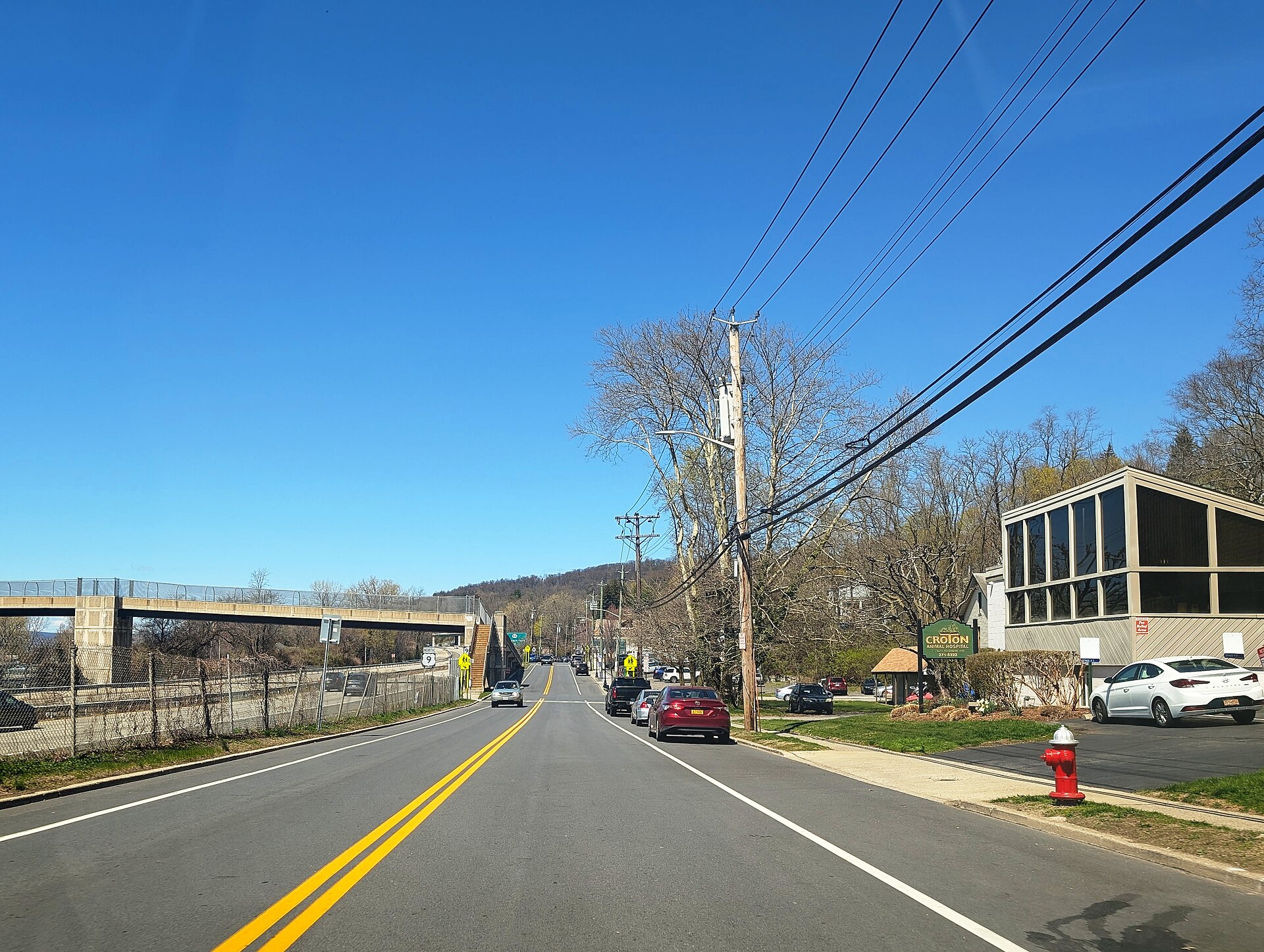
Croton-on-Hudson is a Hudson River village in the Town of Cortlandt, Westchester County. Residential value is shaped by housing type, site utility, hillside and river-adjacent constraints, and Village location matching. Neighboring Ossining and Sleepy Hollow sales are not automatic substitutes. They sit in different municipalities and are not one comps pool. County-wide averages are a weak stand-in for property-specific analysis.
For owners, attorneys, and fiduciaries, a reliable Croton-on-Hudson appraisal focuses on measurable factors: above-grade living area, condition and quality ratings, garage and outdoor utility, hillside or river-adjacent site constraints, flood-zone status where applicable, legal Village location, and recent sales that truly compete with the subject.
Note on market statistics: Publicly scrapeable 2026 median-price, inventory, and DOM figures for Croton-on-Hudson could not be verified for this briefing (source pages blocked or incomplete at research time). The analysis below stays with appraisal methodology rather than invented numbers.
Housing Stock and Construction Quality
Croton-on-Hudson housing stock is not a single market. Appraisers commonly encounter compact older dwellings near the village commercial core and Harmon area; early- and mid-20th-century residences on inland and hillside streets; later infill and replacement construction; two-unit dwellings; and stacked condominium or apartment product closer to the river and to rail infrastructure around Croton-Harmon.
- Village-core and period construction: Older inventory often retains original massing, mixed room sizes, and renovation histories that span several ownership cycles. The market distinguishes full-system modernization from surface-level cosmetic work, and appraisers must document that difference clearly.
- Hillside and inland residential streets: Away from the commercial corridors, housing tends toward more suburban lot geometry, with colonials, Capes, ranches, split-levels, and selectively rebuilt houses. Style, garage count, and lot utility often matter as much as raw square footage.
- Later infill and stacked product: Newer single-family replacements, townhomes, and condominiums are a different product type from an older village house of similar living area. Quality ratings, remaining economic life, common-element obligations, and parking are analyzed with a sale set drawn from competing inventory — not from unadjusted older dwellings.
- Mechanical systems and deferred maintenance: HVAC age and type, electrical service capacity, plumbing condition, roof remaining life, and window performance remain core value drivers in older shells with partial updates. A renovated kitchen does not erase aging roofing or outdated electrical service.
- Additions, conversions, and lower-level space: Added living area only contributes fully when it is permanent, market-accepted, and properly finished. Below-grade finished space is analyzed separately from above-grade gross living area under standard residential methodology.
Because Croton includes both modest older houses and later infill, two nearby sales can require large quality, condition, or property-type adjustments. Accurate Q and C ratings, supported by photos and market evidence, are central to a defensible report.
Site Factors, Hudson River Influences, and External Conditions
Lot and location characteristics often separate otherwise similar Croton homes on value. Site size alone is not enough — usable topography, river orientation, flood exposure, parking geometry, and municipal jurisdiction all matter.
- Usable land versus raw acreage: A smaller, level, functional lot can outperform a larger parcel dominated by slope, ledge, constrained buildable area, or limited outdoor function. Hillside streets above the Route 9 / South Riverside corridor often require that distinction.
- Hudson River views and waterfront utility: Where market evidence supports it, river or elevated long views can contribute measurable value. View premiums must be extracted from local paired sales, not assumed from listing language. Direct water frontage, bulkhead condition, and shared versus private river access are separate questions from a distant view.
- Flood zone and waterfront engineering: Low-lying river parcels require FEMA flood-zone review, elevation documentation when available, and attention to drainage and foundation exposure. Flood designation is a site fact, not a neighborhood label, and it is handled through market evidence and typical underwriting constraints.
- Topography and site engineering: Hillside grades, retaining structures, driveway design, and drainage patterns affect both utility and buyer response. Visible moisture, settlement, or access limitations are reflected in condition and site analysis.
- External influences: Immediate proximity to Route 9 / Route 9A commercial corridors, heavier traffic routes, rail yards and infrastructure around Croton-Harmon, or other adverse influences is adjusted from local market evidence.
- Transit and regional access: Properties with immediate access to Metro-North Hudson Line service at Croton-Harmon, and to regional road networks along Route 9 / 9A, can show different demand profiles than more secluded inland sites. Appraisers capture that through competitive sale selection rather than generic premiums. Access is described as infrastructure, not as a lifestyle label.
Market Conditions and Comparable Selection
Comps strategy is the main appraisal challenge in Croton-on-Hudson. Turnover is uneven by price band and property type, and the village core does not trade on the same terms as hillside single-family inventory or later infill along the river.
- Compete on utility and property type, not just distance: A sale a short distance away may still be a weak comparable if dwelling style, age/condition, garage count, river exposure, or condominium versus fee-simple ownership diverge from the subject.
- Do not treat Ossining or Sleepy Hollow as one comps pool: Ossining (Town of Ossining) and Sleepy Hollow (Town of Mount Pleasant) share a Hudson River corridor and some infrastructure, but they are separate markets with different housing mixes, assessment jurisdictions, and sale patterns. Cross-municipal comps require location support from data, not proximity alone.
- Village of Croton-on-Hudson versus Town of Cortlandt: The Village sits inside the Town of Cortlandt. Legal municipality, tax jurisdiction, and how the market actually segments those locations are matching issues. A Town-of-Cortlandt parcel outside the Village is not interchangeable with a Village-of-Croton house of similar size.
- Bracket condition and quality: Strong appraisals use sales that bracket the subject rather than relying on one superior renovation sale, one deferred-maintenance outlier, or one new-construction closing.
- Time and price-band discipline: Recent closed sales remain preferred. When inventory is thin in a given quality tier or property type, the appraiser may expand the time window or carefully test nearby river-town sales, with location differences supported by data.
- Assessment versus market value: Village or Town assessed value is not market value. Tax-grievance assignments compare the assessment to a current, supportable market-value opinion.
In Croton-on-Hudson, the best appraisals start with competitive sale selection. If the comps do not attract the same purchaser in terms of size, condition, property type, and site utility — especially river versus inland, older village stock versus later infill, and Village versus Town location — the math will not salvage the analysis.
Appraisal Challenges Specific to Croton-on-Hudson
- Village versus Town location matching: Deeds, tax bills, and listing remarks may say “Croton” for parcels that are legally in the Village or in unincorporated Cortlandt. Appraisers confirm municipality and the competitive set before treating sales as comps.
- Hillside and river facts that listings understate: A “river view” may be seasonal, oblique, or partially obstructed. Slope, retaining-wall condition, driveway grade, flood-zone status, and elevation are lot-specific.
- Partial updates in older dwellings: Mixed-grade renovations can create functional obsolescence even when individual rooms look current.
- Thin matched-sale sets at the extremes: Highly customized properties, atypical lots, and upper-tier waterfront units may require broader search parameters and larger, better-supported adjustments.
What Helps an Appraisal in Croton-on-Hudson
- Written list of improvements with approximate dates and costs
- Permit history for additions, kitchens, baths, and major systems
- Clear access to attic, basement, garage, and exterior grades
- Survey, plot plan, or documentation of lot lines, easements, and bulkhead or waterfront rights when relevant
- FEMA flood-zone information, elevation certificate, or insurance documentation if the site is river-adjacent
- Confirmation of Village versus Town jurisdiction, tax lot, and any condominium or HOA documents
- Recent invoices for roof, HVAC, electrical, plumbing, or structural work
Final Thoughts
Appraising residential property in Croton-on-Hudson is a comps-driven, site-sensitive assignment. Accurate value depends on reading housing stock correctly — especially the split between older village inventory, hillside dwellings, and later infill — confirming Village versus Town location, measuring condition and quality with discipline, and selecting sales that truly compete with the subject on utility and location.
Whether the purpose is estate settlement, tax grievance support, divorce, financing, or portfolio review, a defensible Croton appraisal is built from physical evidence and local market data — not assumptions imported from Ossining, Sleepy Hollow, or a county-wide average.
Need an Appraisal in Croton-on-Hudson?
Whether for estate planning, tax grievance, or a mortgage transaction, we provide thorough, professional valuation services across Westchester.
Get a Free Quote